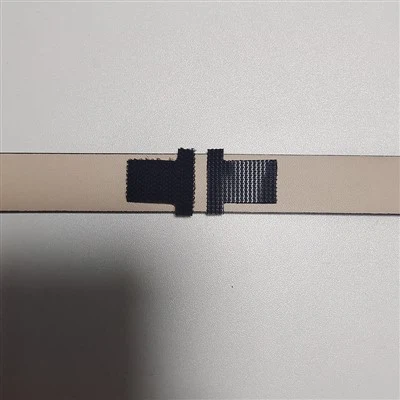
Tape splicing refers to the process of joining two ends of tape (or tape and another material) using adhesive, heat, or mechanical methods to create a continuous, seamless bond. This technique is critical in industries ranging from manufacturing to audiovisual production. Below is a comprehensive guide to tape splicing, covering methodologies, tools, and applications synthesized from industry practices and search results:

Types of Tape Splicing:
|
Method |
Best For |
Key Features |
|
Adhesive Splicing |
Paper, packaging, textiles. |
Uses glue or double-sided tape; simple and cost-effective. |
|
Heat Fusion |
Plastic films, PVC, heat-resistant materials. |
Requires heat guns or soldering irons; creates strong, waterproof bonds. |
|
Mechanical Fastening |
Industrial machinery, heavy-duty applications. |
Uses staples, clamps, or rivets; ideal for temporary or high-stress joins. |
|
Ultrasonic Welding |
Electronics, automotive parts. |
Precision bonding without adhesives; minimal heat generation. |
Tools & Materials:
• Adhesives :
o Acrylic (general use), epoxy (industrial), or UV-curable (electronics).
• Tools :
o Heat guns, scissors, precision cutters, ultrasonic welders.
• Materials :
o Duct tape, electrical tape, Mylar, or specialty tapes (e.g., splicing tape for SMT reels).
Step-by-Step Splicing Methods:
Method 1: Adhesive Tape Splicing (General Use)
1. Prepare Surfaces : Clean and dry both tape ends; remove dust or contaminants.
2. Align Edges : Use a ruler or jig to ensure perfect alignment.
3. Apply Adhesive : Spread glue or place double-sided tape along one edge.
4. Press Firmly : Use clamps or a roller to bond the edges; cure as per adhesive instructions.
Method 2: Heat Fusion (Plastic Tapes)
1. Cut Ends : Trim tape edges to create clean, square ends.
2. Heat Application : Use a heat gun (300–400°F) to melt the adhesive layer.
3. Join and Press : Align the melted edges and press firmly until cool.
Method 3: Ultrasonic Welding (Electronics)
1. Position Components : Align tape and substrate under the ultrasonic horn.
2. Activate Welder : Apply high-frequency vibrations (20–40 kHz) to create molecular bonds.
3. Cool and Inspect : Allow the bond to solidify; check for integrity.
Industry Applications:
• Electronics Manufacturing (SMT) :
o Carrier Tape Splicing : Joining 8mm carrier tapes in pick-and-place machines to reduce downtime.
o Dicing Tape : UV-sensitive adhesive tapes for semiconductor wafer cutting.
• Audiovisual Production :
o 8-Track Tape Editing : Precision trimming and splicing for custom audio loops.
• Packaging :
o Seamless Tape Joints : Creating continuous adhesive strips for boxes or labels.
Challenges & Solutions:
|
Challenge |
Root Cause |
Mitigation Strategy |
|
Weak Adhesion |
Contaminated surfaces or low temp. |
Clean with isopropyl alcohol; use heat activation. |
|
Misalignment |
Poor tool setup. |
Use alignment jigs or laser guides. |
|
Residue Buildup |
Excess adhesive. |
Opt for low-residue adhesives (e.g., UV-curable). |
Best Practices:
- Precision Cutting : Use precision tools (e.g., guillotine cutters) to avoid fraying.
- Layer Control : For multi-layer splicing, apply adhesive in thin, even coats.
- Environmental Controls : Maintain humidity (40–60%) and temperature (20–25°C) for consistent adhesion.
Advanced Techniques:
- Laser Splicing : High-precision cutting and welding for delicate materials (e.g., medical devices).
- Robotic Automation : Industrial robots for high-speed, repeatable splicing in manufacturing.
Cost Considerations:
- DIY Kits : 10–30 (e.g., adhesive splicing kits for crafts).
- Industrial Systems : 500–5,000+ (e.g., ultrasonic welders, automated splicing tables).
Key Takeaways:
- Material Compatibility : Match adhesive type to substrate (e.g., epoxy for plastics, UV glue for electronics).
- Alignment Matters : Use guides or fixtures to ensure perfect edge-to-edge joins.
- Test First : Validate adhesion and durability on scrap materials before final use.
Tape splicing is a versatile solution for creating durable, seamless bonds across industries. By selecting the right method and tools, you can optimize efficiency and ensure professional-grade results.
Hot Tags: splicing, China splicing manufacturers, suppliers, factory, Coating, Customized Labeling, Multiple Core Sizes, Sheeting, Slitting, Tape Printing