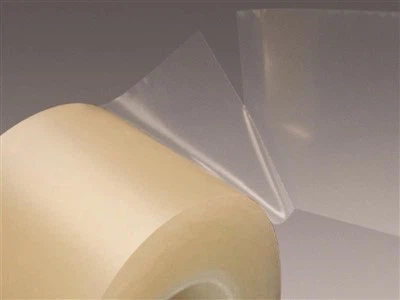
Tape Cutting refers to the process of slicing adhesive tapes into specific shapes, sizes, or patterns to meet functional or aesthetic requirements. This process is critical in industries ranging from packaging to crafts, as well as in everyday household tasks. Below is a detailed guide covering tools, methods, applications, and best practices for tape cutting:

Types of Tape Cutting Methods:
a. Manual Cutting
• Tools : Scissors, craft knives, ruler, and cutting mats.
• Best For : Small-scale projects, DIY crafts, or irregular shapes.
• Pros : Low cost, portable, and flexible.
• Cons : Time-consuming; risk of uneven cuts.
b. Mechanical Cutting
• Tools : Guillotine cutters, rotary blade cutters, or die-cutting machines.
• Best For : Industrial-scale production or precise, repetitive cuts.
• Pros : Fast, consistent, and handles thick tapes.
• Cons : Requires expensive equipment; limited flexibility for custom shapes.
c. Laser Cutting
• Tools : Laser engravers/cutters (CO₂ or diode lasers).
• Best For : Intricate designs, delicate materials (e.g., washi tape), or high-precision jobs.
• Pros : Clean edges, no physical contact; works with heat-sensitive tapes.
• Cons : High setup cost; not ideal for thick adhesives.
d. Die-Cutting
• Tools : Metal dies pressed into the tape using a die-cutting machine.
• Best For : Mass production of uniform shapes (e.g., stickers, labels).
• Pros : Efficient for bulk orders; consistent results.
• Cons : Requires custom dies; not cost-effective for small batches.
Tools & Equipment:
|
Tool |
Use Case |
Best For |
|
Scissors/Utility Knife |
Hand-cutting small sheets or irregular shapes. |
DIY crafts, household repairs. |
|
Rotary Cutter |
Clean, straight cuts on rolls or sheets. |
Packaging, label manufacturing. |
|
Laser Cutter |
Intricate patterns or heat-sensitive tapes. |
Decorative tapes, electronics. |
|
Die-Cutting Machine |
High-volume production of uniform shapes. |
Industrial labels, stickers. |
Applications:
- Packaging : Cutting tape into strips for sealing boxes or bundling products.
- Crafts : DIY washi tape, scrapbooking, or card-making.
- Medical : Custom-sized adhesive sheets for wound care or surgical drapes.
- Industrial : Stripping tape for electrical insulation or automotive parts.
- Retail : Cutting shelf-edge labels or promotional stickers.
Key Considerations:
• Adhesive Type :
o Acrylic/PSA : Easy to cut; may leave residue if cut too close.
o Silicone : Heat-resistant; requires sharp tools to avoid fraying.
o Rubber : Flexible; prone to curling if cut unevenly.
• Backer Material :
o Paper, film, or fabric backings affect cutting difficulty (e.g., paper tears easily).
• Tape Thickness :
o Thin tapes (e.g., masking tape) cut easily; thick tapes (e.g., duct tape) require heavy-duty tools.
Common Challenges & Solutions:
|
Issue |
Cause |
Solution |
|
Uneven Edges |
Dull tools or inconsistent pressure. |
Sharpen blades; use a ruler for guidance. |
|
Adhesive Residue |
Cutting through the adhesive layer. |
Avoid cutting into the adhesive; use a release liner. |
|
Curling Sheets |
Humidity or static. |
Store in a dry environment; use anti-static spray. |
Best Practices:
- Sharp Tools : Replace blades frequently to ensure clean cuts.
- Steady Pressure : Apply even pressure to avoid fraying.
- Test Cuts : Practice on scrap tape before cutting final sheets.
- Alignment : Use clamps or guides to secure the tape during cutting.
- Edge Treatment : Smooth edges with sandpaper or apply UV resin to prevent fraying.
Safety Tips:
- Gloves : Protect hands from sharp blades or hot adhesives.
- Ventilation : Use fans or masks when cutting solvent-based tapes.
- Eye Protection : Wear goggles for laser or high-speed cutting.
Advanced Techniques:
- Perforating + Cutting : Create tear lines for easy removal (e.g., adhesive notes).
- Layered Cutting : Stack multiple tapes for composite designs (e.g., multi-colored stickers).
- Heat-Assisted Cutting : Use a heat gun to soften adhesives for cleaner cuts.
Cost & Volume:
- DIY : Low-cost tools (10–50) for small batches.
- Industrial : High-volume machinery (500–50,000+) for bulk orders.
Key Takeaways:
- Match Tools to Tape Type : Use sharp blades for thick tapes, lasers for delicate materials.
- Precision Matters : Align guides/rulers to avoid errors.
- Test First : Validate cuts on scrap material before finalizing.
Whether crafting handmade gifts or producing industrial tapes, precise tape cutting ensures functionality and aesthetics. For large-scale needs, invest in industrial-grade machines for efficiency and consistency!
Hot Tags: cutting, China cutting manufacturers, suppliers, factory, Customized Labeling, Cutting, Multiple Core Sizes, Sewing, Sheeting, Tape Printing