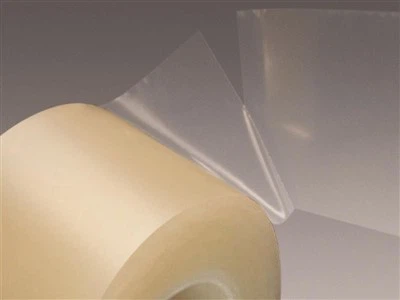
Adhesive tape rewinding refers to the process of winding adhesive-backed tape onto a roll or spool, either during manufacturing or in practical use. This can involve ensuring proper tension, alignment, and adhesion to avoid issues like curling, sticking, or uneven application. Below is a detailed breakdown tailored to adhesive tapes (e.g., duct tape, masking tape, packing tape, medical tapes):

Industrial Context (Manufacturing/Packaging):
In factories, adhesive tape is often wound onto rolls using specialized machinery. Key considerations include:
• Tension Control :
1. Proper tension during winding prevents tape from stretching, tearing, or loosening.
2. Automated systems use sensors to regulate roller speed and pressure.
• Adhesion Management :
1. The adhesive layer must bond securely to the backing (e.g., paper, plastic) but release cleanly when unwound later.
2. Anti-stick coatings or release agents may be applied to the roll's core to prevent sticking.
• Edge Alignment :
1. Misaligned edges during winding can cause curling or uneven tape layers. Guides and rollers ensure straight winding.
• Common Industrial Applications :
1. Packaging tapes (e.g., box sealing tape).
2. Masking tape for painting.
3. Double-sided tapes for splicing or mounting.
Consumer/Manual Rewinding:
For household or DIY use, rewinding adhesive tape manually (e.g., fixing a loose roll or re-spooling):
• Steps :
1. Secure the Roll : Use a spindle, pencil, or tape holder to anchor one end of the tape.
2. Wind Slowly : Rotate the roll manually, keeping the tape taut but not overstretched.
3. Avoid Curling : Wind in a consistent direction (e.g., from left to right) to prevent inward/outward curling.
• Tools :
o Tape dispensers with built-in winders (e.g., for painter's tape).
o Empty cardboard tubes or spools for re-spooling.
Common Issues & Solutions:
|
Problem |
Cause |
Solution |
|
Tape curls inward/outward |
Uneven winding or improper tension |
Re-wind slowly, using a guide or dispenser. |
|
Adhesive residue on roll |
Residual glue on core |
Apply a release agent (e.g., silicone spray) before winding. |
|
Tape sticks to itself |
High humidity or static |
Store in a cool, dry place; use anti-static tools. |
|
Loose or uneven layers |
Poor tension control |
Re-spool with even pressure; check machinery calibration. |
Specialized Adhesive Tapes:
• Medical/First-Aid Tapes :
o Rewind carefully to avoid damaging the hypoallergenic adhesive layer.
o Store in a dust-free environment to maintain adhesion.
• Double-Sided Tape :
o Wind in clean, dust-free conditions to prevent debris from sticking between layers.
• Filament Tape (e.g., duct tape) :
o Reinforced fibers require gentle winding to avoid fraying.
Safety & Maintenance:
- Gloves : Use when handling high-adhesive tapes to prevent skin residue.
- Storage : Keep rolls in a dry, cool place away from direct sunlight to prevent adhesive degradation.
- Equipment Care : Clean rollers and cores regularly to remove adhesive buildup (use isopropyl alcohol for most tapes).
Key Takeaways:
- Industrial : Prioritize tension control, edge alignment, and anti-stick coatings.
- Consumer : Wind slowly, use guides, and store tapes properly.
- Troubleshooting : Address curling, residue, or sticking with proper technique and environmental controls.
Whether you're operating a packaging line or fixing a loose roll at home, careful rewinding ensures the tape stays functional and residue-free!
Hot Tags: rewinding, China rewinding manufacturers, suppliers, factory, Coating, Cutting, Multiple Core Sizes, Sewing, Slitting, Tape Printing