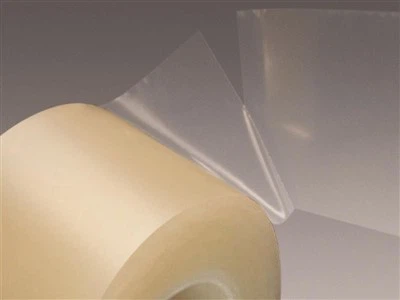
Adhesive Tape Slitting refers to the process of cutting wide rolls of adhesive tape into narrower strips of specific widths. This is a critical step in tape manufacturing and customization, ensuring products meet application requirements (e.g., width, length, adhesion strength). Below is a detailed breakdown:

Purpose of Slitting:
- Customization : Converts large rolls into smaller, usable widths (e.g., 1-inch to 6-inch strips).
- Efficiency : Allows bulk production while accommodating diverse customer needs.
- Quality Control : Ensures uniform width and edge integrity for consistent performance.
Slitting Methods:
a. Razor Slitting (Guillotine Cutting)
- Process : A sharp blade slices the tape as it passes through a stationary or rotating blade.
- Pros : Simple, cost-effective for low-volume runs.
- Cons : Risk of fraying, delamination, or uneven cuts if the blade isn't sharp.
b. Rotary Slitting
- Process : Uses rotating knives or wheels to cut the tape while it's unwound and rewound.
- Pros : High precision, faster for large volumes, minimal material stress.
- Cons : Higher equipment costs; requires precise tension control.
c. Laser Slitting
- Process : A laser beam melts or vaporizes the tape material.
- Pros : No physical blade wear; ideal for delicate or heat-sensitive tapes (e.g., medical-grade).
- Cons : Expensive setup; slower than mechanical methods.
Key Factors Affecting Slitting Quality:
|
Factor |
Impact |
|
Tension Control |
Uneven tension causes curling, stretching, or misalignment. |
|
Blade Sharpness |
Dull blades lead to fraying, burrs, or adhesive residue on edges. |
|
Material Type |
Adhesive type (e.g., acrylic, silicone), backing material (paper, film), and thickness influence cutting method. |
|
Slitting Direction |
Radial (perpendicular to roll length) vs. longitudinal (parallel). |
Common Challenges & Solutions:
|
Issue |
Cause |
Solution |
|
Frayed or jagged edges |
Dull blade, incorrect tension |
Replace blades; calibrate tension settings. |
|
Adhesive residue |
Blade contamination or static |
Clean blades with solvent (e.g., isopropyl alcohol); use anti-static tools. |
|
Delamination |
Excessive heat or blade pressure |
Reduce speed; use laser/razor for clean cuts. |
|
Misaligned slits |
Improper guide alignment |
Regularly inspect guides and rollers. |
Applications:
- Packaging Tapes : Slitting into widths for box sealing (e.g., 2-inch Scotch tape).
- Medical Tapes : Precision slitting for adhesive bandages or surgical tapes.
- Industrial Tapes : Custom widths for automotive, electronics, or construction (e.g., duct tape, filament tape).
- DIY/Consumer Use : Retail-ready rolls (e.g., painter's tape, masking tape).
Post-Slitting Process:
- Rewinding : Slit strips are rewound onto smaller cores for storage or shipping.
- Quality Inspection : Check for edge quality, adhesion consistency, and defects.
Safety Considerations:
- Blade Handling : Use guards and wear gloves to avoid cuts.
- Dust/Debris : Clean work areas to prevent contamination or slips.
- Static Precautions : Use anti-static equipment to avoid fire risks with flammable adhesives.
Best Practices:
- Material Selection : Choose blades and tools compatible with the tape's adhesive and backing.
- Regular Maintenance : Clean blades, rollers, and guides to prevent buildup.
- Environmental Control : Maintain stable temperature/humidity to avoid adhesive stickiness.
Summary:
Adhesive tape slitting ensures tapes meet precise specifications for functionality and usability. Whether using razor, rotary, or laser methods, controlling tension, blade condition, and alignment is critical. Address challenges like fraying or residue through proper tooling and maintenance. This process is essential in industries ranging from packaging to healthcare, enabling tailored solutions for diverse applications.
Hot Tags: slitting, China slitting manufacturers, suppliers, factory, Coating, Cutting, Multiple Core Sizes, Sheeting, Slitting, Tape Printing