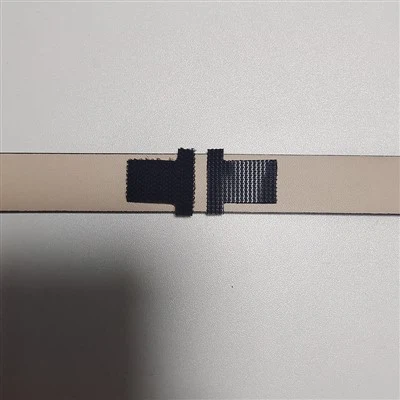
Adhesive Tape Customized Labeling involves designing and printing labels tailored to specific needs for adhesive tapes, ensuring functionality, branding, and compliance. Below is a comprehensive guide covering key aspects of customized labeling for adhesive tapes:

Design Considerations:
Content :
- Include logos, brand names, barcodes, lot numbers, expiration dates, or usage instructions.
- Use high-contrast colors for readability (e.g., black text on white backgrounds).
Size & Placement :
- Labels should fit the tape width without obstructing adhesive performance.
- Options: Full-wrap labels (360° coverage) or standard front/back labels.
Durability :
- Ensure labels resist abrasion, moisture, UV exposure, or chemicals based on the tape's application (e.g., outdoor tapes need UV-resistant inks).
Label Materials:
Choose materials compatible with the tape's adhesive and intended use:
- Paper Labels : Cost-effective for indoor use (e.g., office tapes).
- Synthetic Films (Polyester, Polypropylene): Durable for harsh environments (industrial tapes, medical tapes).
- Vinyl : Stretch-resistant for automotive or construction tapes.
- Coatings :
Gloss/matte finishes for aesthetics.
Overlaminate coatings to protect against moisture or wear.
Printing Methods:
|
Method |
Best For |
Pros |
Cons |
|
Digital Printing |
Small batches, full-color designs |
Quick turnaround, no plate setup. |
Less durable for heavy-duty use. |
|
Screen Printing |
Large volumes, simple designs |
High durability, vibrant colors. |
Expensive for small orders. |
|
Flexographic |
Industrial-scale, multicolor labels |
Fast, suitable for rough surfaces. |
Requires plate making. |
|
Thermal Transfer |
Barcodes, variable data (e.g., serials) |
Precise, resistant to smudging. |
Needs heat-activated labels. |
Adhesion Requirements:
- Tack Level :
- High-tack adhesives for rough surfaces (e.g., duct tape labels).
- Low-tack adhesives for delicate materials (e.g., medical tapes).
- Compatibility : Ensure label adhesive doesn't interfere with the tape's own adhesive.
- Testing : Conduct peel tests to verify no residue or peeling.
Applications:
• Industrial Tapes :
o Packaging tapes : Labels for strength ratings or safety warnings.
o Medical tapes : Hypoallergenic, compliant with FDA/ISO standards.
• Consumer Tapes :
o Duct tape: Custom branding for retail.
o Painter's tape: Clear labels for color coding.
• Specialty Tapes :
o Double-sided tapes : Labels for mounting applications.
o Filament tape : Reinforced labels for heavy-duty use.
Customization Options:
- Variable Data Printing : Add serialized codes, QR codes, or batch numbers for traceability.
- Holographic Labels : For security or premium branding.
- Die-Cut Shapes : Custom shapes (e.g., logos, icons) using laser cutting.
- Eco-Friendly Labels : Recyclable or biodegradable materials for sustainability.
Compliance & Regulations:
• Industry Standards :
o FDA : For medical tapes (non-toxic inks, hypoallergenic materials).
o ISO : Quality management for industrial tapes.
o GHS Compliance : Hazard symbols for chemical tapes.
• Barcode Standards : Ensure readability with symbologies like UPC, EAN, or GS1.
Challenges & Solutions
|
Issue |
Cause |
Solution |
|
Label peeling |
Poor adhesion or harsh conditions |
Use high-tack adhesives; apply overlaminate. |
|
Ink fading |
UV exposure |
Use UV-resistant inks. |
|
Delamination |
Moisture ingress |
Laminate labels with moisture-barrier films. |
|
Misprinted text |
Design errors |
Proof labels before printing; use digital proofs. |
Workflow Tips:
- Prototype : Test labels under real-world conditions (e.g., moisture, temperature).
- Batch Testing : Check adhesion, readability, and durability for large orders.
- Storage : Keep labeled tapes in a cool, dry place to prevent adhesive degradation.
Key Takeaways:
- Material Matters : Match label material to the tape's adhesive and environment.
- Design for Function : Prioritize readability and durability over aesthetics.
- Compliance is Critical : Adhere to industry-specific regulations for safety and legality.
Whether you're branding retail tapes or producing industrial-grade labels, customized labeling ensures your adhesive tape meets both functional and aesthetic goals. Partner with experienced printers for complex designs or specialized materials!
Hot Tags: customized labeling, China customized labeling manufacturers, suppliers, factory, Coating, Cutting, Multiple Core Sizes, Sewing, Sheeting, Tape Printing