The shelf life of stretch film is a crucial consideration for both manufacturers and end - users. As a stretch film supplier, I've encountered numerous inquiries regarding this topic. In this blog, I'll delve into the factors that affect the shelf life of stretch film, how to extend it, and why it matters in various industries.
What is Stretch Film?
Before discussing its shelf life, let's briefly define stretch film. Stretch film, also known as stretch wrap, is a highly elastic plastic film commonly used to wrap products and pallets for storage and transportation. It provides stability, protection, and containment for items. You can find a wide range of stretch films on our website: Stretch Film.
Factors Affecting the Shelf Life of Stretch Film
1. Material Composition
The type of polymer used in the stretch film significantly impacts its shelf life. Most stretch films are made from polyethylene (PE), which is known for its durability and flexibility. Different grades of PE, such as linear low - density polyethylene (LLDPE), have varying resistance to environmental factors. Higher - quality polymers tend to have a longer shelf life as they are more resistant to oxidation, UV radiation, and other forms of degradation.
2. Storage Conditions
- Temperature: Extreme temperatures can have a detrimental effect on stretch film. High temperatures can cause the film to become sticky, lose its elasticity, and even melt in severe cases. On the other hand, low temperatures can make the film brittle and prone to cracking. The ideal storage temperature for stretch film is between 10°C and 30°C (50°F and 86°F).
- Humidity: Excessive humidity can lead to moisture absorption by the stretch film. This can cause the film to become weakened, develop mold, or lose its adhesion properties. It is recommended to store stretch film in a dry environment with a relative humidity of less than 60%.
- Exposure to Light: Ultraviolet (UV) radiation from sunlight or artificial light sources can break down the chemical bonds in the stretch film, leading to degradation. Storing the film in a dark place or using opaque storage containers can help protect it from UV damage.
3. Packaging
The way stretch film is packaged also plays a role in its shelf life. Films that are tightly wound on cores and properly sealed in protective packaging are less likely to be exposed to environmental factors. Additionally, using anti - static packaging can prevent dust and debris from adhering to the film, which could potentially cause scratches and reduce its performance.
Typical Shelf Life of Stretch Film
Under optimal storage conditions, the shelf life of stretch film can range from 12 to 24 months. However, this can vary depending on the factors mentioned above. For example, a high - quality LLDPE stretch film stored in a climate - controlled warehouse away from light and moisture may last up to 24 months, while a lower - quality film exposed to harsh conditions may only last 6 to 12 months.


Extending the Shelf Life of Stretch Film
1. Proper Storage
- Warehousing: Store stretch film in a dedicated warehouse with controlled temperature and humidity. Use shelving units to keep the film off the floor and away from walls to ensure proper air circulation.
- Rotation: Implement a first - in, first - out (FIFO) inventory management system. This ensures that the oldest stock is used first, reducing the risk of film degradation due to long - term storage.
2. Handling
- Avoid Rough Handling: When moving or using stretch film, handle it gently to prevent scratches, tears, or other physical damage. Rough handling can weaken the film and reduce its shelf life.
- Use Appropriate Equipment: Use proper dispensing equipment, such as stretch wrap dispensers, to ensure smooth and even application of the film. This can prevent excessive stretching or wrinkling, which can also affect the film's performance and longevity.
Importance of Shelf Life in Different Industries
1. Manufacturing
In the manufacturing industry, stretch film is used to protect finished products during storage and transportation. A longer shelf life ensures that the film remains effective in providing protection, reducing the risk of product damage and associated costs. For example, in the automotive industry, stretch film is used to wrap car parts, and a reliable film can prevent scratches and corrosion during transit.
2. Logistics and Warehousing
Logistics companies and warehouses rely on stretch film to secure pallets and prevent product movement during shipping. A film with a sufficient shelf life means that it can be stored in bulk without the risk of degradation, ensuring consistent performance when needed. This is especially important for companies that handle large volumes of goods on a regular basis.
3. Food Industry
In the food industry, stretch film is used to wrap food products for freshness and hygiene. The shelf life of the film is crucial to ensure that it does not contaminate the food or lose its barrier properties over time. For example, stretch film used to wrap cheese or meat must maintain its integrity to prevent spoilage and maintain food safety.
Role of PE Repair Tape in Maintaining Stretch Film Integrity
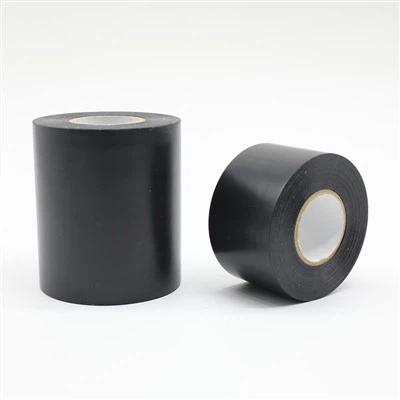
In some cases, stretch film may get damaged during handling or use. PE Repair Tape can be a valuable tool in such situations. It can be used to quickly repair small tears or holes in the stretch film, extending its usability and potentially saving costs. PE repair tape is designed to adhere well to stretch film and provide a strong and durable repair.
Conclusion
Understanding the shelf life of stretch film is essential for both suppliers and users. By considering the factors that affect shelf life, implementing proper storage and handling practices, and using tools like PE repair tape, you can ensure that your stretch film remains effective for as long as possible.
If you're interested in purchasing high - quality stretch film or have any questions about its shelf life and usage, we're here to help. Contact us to discuss your specific requirements and start a procurement negotiation. Our team of experts can provide you with detailed information and guidance to meet your needs.
References
- ASTM International standards on plastic film storage and performance.
- Industry reports on packaging materials and their properties.
- Technical literature from leading stretch film manufacturers.