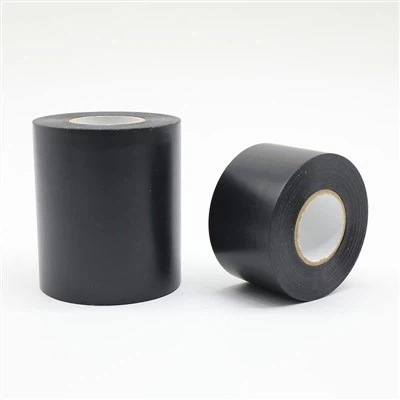
Can PVC tape be used for automotive applications? That's a question I get asked a lot as a PVC tape supplier. And the answer is, absolutely! PVC tape is a versatile and reliable product that has a wide range of uses in the automotive industry. Let's dive into the details and see why PVC tape is such a great fit for automotive applications.
Why PVC Tape?
First off, what makes PVC tape so special? PVC, or polyvinyl chloride, is a synthetic plastic polymer. You might know it as vinyl. PVC tape is made by coating a PVC film with an adhesive. This gives it several key properties that are super useful in the automotive world.
One of the biggest advantages of PVC tape is its durability. It can withstand all sorts of harsh conditions. Whether it's extreme temperatures, from scorching heat in the summer to freezing cold in the winter, PVC tape holds up well. It also resists moisture, dirt, and chemicals, which are all common issues in a car environment.
For example, under the hood of a car, it gets really hot. The engine generates a ton of heat, and there are also all kinds of fluids like oil and coolant. PVC tape can stand up to these high temperatures and resist the chemicals in the fluids, so it's great for insulating wires and protecting them from damage.
Another plus is its flexibility. PVC tape can be easily bent and shaped to fit around different parts of a car. This is really handy when you're working on a tight - space job, like wrapping cables in a car's dashboard or around the steering column. You can conform the tape to the shape of the object, making a neat and secure wrap.


Automotive Applications of PVC Tape
Electrical Insulation
One of the most common uses of PVC tape in cars is for electrical insulation. We all know that cars are full of electrical systems, from the ignition to the lights and the radio. And these electrical wires need to be protected.
PVC Insulation Tape is a great option for this. It provides a reliable barrier against electrical current, preventing short - circuits. It's also resistant to abrasion, so it can protect the wires from getting damaged as they move around in the car. Mechanics often use it to repair or modify electrical wiring, whether it's in the engine compartment or the interior of the car.
Wire Harnessing
In addition to insulation, PVC tape is used for wire harnessing. A wire harness is a group of wires that are bundled together to make installation and maintenance easier. PVC tape helps hold these wires together in an organized way. It keeps the wires from getting tangled, making it easier to trace and troubleshoot any electrical problems that might arise.
The tape's adhesive property is strong enough to keep the wires firmly in place, but it's also removable if needed. This allows for easy modifications or repairs to the wire harness in the future.
Decorative and Protective Purposes
PVC tape can also be used for decorative and protective purposes in cars. For example, Transparent PVC Tape can be used to protect the car's interior surfaces from scratches and wear. You can stick it on the edges of the dashboard, the door panels, or the center console to add an extra layer of protection.
It can also be used for decorative accents. There are different colors available, so you can use colored PVC tape to add a pop of color to your car's interior or exterior. Maybe you want to add some stripes to your car's body or highlight certain parts of the interior. PVC tape gives you the flexibility to do that.
Pipe Wrapping
Cars have a lot of pipes for things like coolant, fuel, and air. PVC Pipe Wrapping Tape can be used to protect these pipes. It helps prevent corrosion and damage from abrasion. It also provides a seal, which can prevent leaks. Whether it's a small hose or a larger pipe, PVC tape can be wrapped around it to keep it in good condition.
Choosing the Right PVC Tape for Automotive Use
When it comes to choosing the right PVC tape for automotive applications, there are a few things to consider.
First, look at the adhesive strength. You want a tape with a strong enough adhesive to stay in place under the conditions it will be exposed to. If it's going to be in a high - vibration area, like near the engine, you need a tape that will hold on tight.
Second, consider the temperature resistance. Different tapes have different temperature ratings. Make sure the tape you choose can handle the temperature range in the part of the car where it will be used. For example, if it's for under - the - hood use, you'll need a tape that can withstand high temperatures.
Third, think about the thickness and flexibility. A thinner tape may be more flexible, which is good for wrapping around small objects or in tight spaces. But a thicker tape may be more durable and provide better insulation.
Making the Decision
So, now that you know all about the uses and benefits of PVC tape in automotive applications, it's time to make a decision. If you're a car owner, a mechanic, or in the automotive production industry, PVC tape can be a great addition to your toolkit.
Whether you need to repair electrical wires, organize a wire harness, protect surfaces, or wrap pipes, there's a PVC tape solution for you. And as a PVC tape supplier, I'm here to help you find the right tape for your specific needs.
If you're interested in purchasing PVC tape for your automotive projects, I'd love to have a chat with you. We can discuss your requirements, and I can provide you with samples so you can see the quality of our products for yourself. Don't hesitate to reach out and start the conversation about getting the best PVC tape for your automotive applications.
References
- "Automotive Electrical Systems Handbook"
- "Plastic Materials in Automotive Industry" research report