


Masking tape and Scotch tape are two commonly used types of adhesive tapes, each with its own unique characteristics and applications. As a masking tape supplier, I often encounter customers who are confused about the differences between these two types of tapes. In this blog post, I will delve into the distinctions between masking tape and Scotch tape, helping you understand when to use each one.
Composition and Material
The first significant difference between masking tape and Scotch tape lies in their composition and materials. Masking tape typically consists of a paper backing with a pressure - sensitive adhesive. The paper backing gives it a relatively soft and flexible texture. This paper is usually porous, which allows the tape to breathe to some extent. For example, when used in painting projects, it can prevent the build - up of moisture and air bubbles under the tape, ensuring a smooth paint job.
On the other hand, Scotch tape is made of a thin, transparent plastic film, usually cellulose acetate or polypropylene, with an adhesive layer. The plastic film makes Scotch tape more durable and resistant to tearing compared to masking tape. It also has a smooth surface, which gives it a clean and professional appearance when used for sealing envelopes or mending papers.
Adhesive Strength
Adhesive strength is another crucial factor that differentiates masking tape from Scotch tape. Masking tape is designed to have a relatively low - tack adhesive. This low - tack property allows it to be easily removed without leaving residue on most surfaces. It is ideal for temporary applications where you don't want the tape to damage the underlying surface. For instance, when you are painting a room and need to mask off areas that you don't want to paint, masking tape can be applied and then removed after the paint has dried, leaving the surface clean.
Scotch tape, however, has a stronger adhesive. It is intended to create a more permanent bond. When you use Scotch tape to seal a package or repair a torn document, you expect it to stay in place for a long time. The strong adhesive ensures that the tape adheres firmly to the surface, preventing it from coming off easily.
Applications
The differences in composition and adhesive strength lead to distinct applications for masking tape and Scotch tape.
Masking Tape Applications
- Painting and Finishing: As mentioned earlier, masking tape is a staple in painting projects. It can be used to mask off trim, windows, and other areas that you want to keep paint - free. There are also specialized types of masking tape for different painting needs. For example, Automotive Masking Tape is designed for use in automotive painting. It can withstand the high - pressure spraying and the chemicals used in the automotive painting process.
- Crafts and DIY Projects: Masking tape is popular in crafts because of its ease of use and low - tack nature. You can use it to create stencils, mark off areas for different colors in a craft project, or hold pieces together temporarily. Colored Masking Tape is especially useful in crafts as it adds a decorative element.
- Labeling and Marking: The paper backing of masking tape makes it easy to write on. You can use it to label items in a storage area, mark measurements on a surface, or indicate different sections in a project.
Scotch Tape Applications
- Document Repair: Scotch tape is commonly used to repair torn papers, such as important documents, photos, or books. Its strong adhesive and transparent appearance make it a great choice for this purpose, as it can hold the torn pieces together without being too noticeable.
- Package Sealing: When you need to seal a package for shipping or storage, Scotch tape is the go - to option. Its strong adhesive ensures that the package remains sealed during transit.
- General Household Use: From hanging posters to attaching notes to the fridge, Scotch tape is a versatile tool for everyday household tasks.
Temperature and Environmental Resistance
Masking tape and Scotch tape also differ in their ability to withstand various temperatures and environmental conditions.
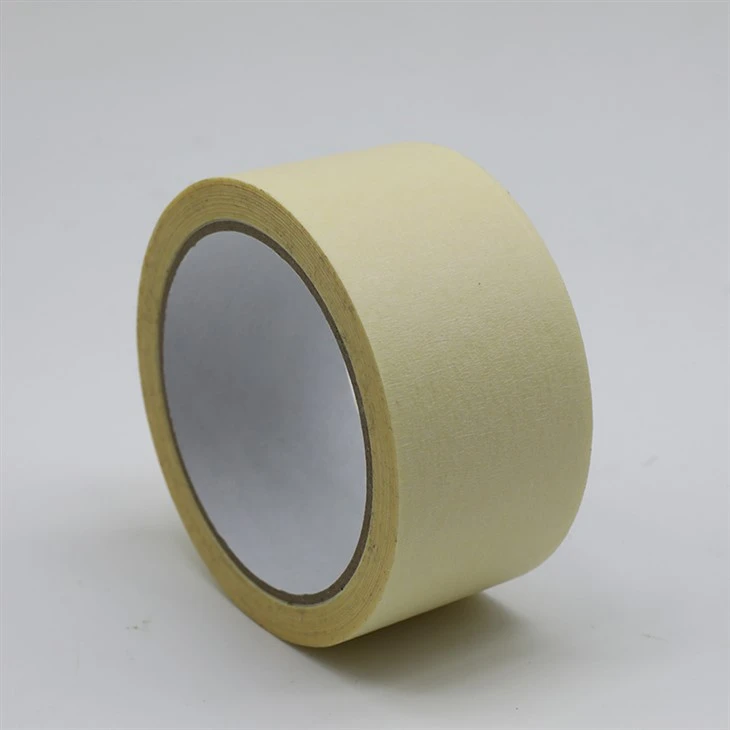

Masking tape, especially High Temperature Masking Tape, is designed to handle higher temperatures. It can be used in industrial applications where there is exposure to heat, such as in powder coating or baking processes. The paper backing and the adhesive are formulated to maintain their integrity at elevated temperatures without melting or losing their adhesion.
Scotch tape, on the other hand, may not perform as well in high - temperature environments. The plastic film and adhesive can start to degrade or lose their stickiness when exposed to excessive heat. It is more suitable for use in normal room - temperature conditions.
Appearance
In terms of appearance, masking tape and Scotch tape are quite different. Masking tape usually comes in a variety of colors, such as blue, green, and yellow. These colors can be used for color - coding in different applications. For example, in a construction project, different colors of masking tape can be used to mark different types of pipes or electrical wires.
Scotch tape is typically transparent, which makes it almost invisible when applied to a surface. This transparency is an advantage when you want the tape to blend in and not draw attention, such as when repairing a document or sealing an envelope.
Cost
Cost is often a consideration when choosing between masking tape and Scotch tape. Generally, masking tape is more affordable, especially for large - scale projects. Since it is made of paper, the raw materials are relatively inexpensive. This makes it a cost - effective option for applications where you need to use a large amount of tape, such as in painting a large room.
Scotch tape, with its plastic film and stronger adhesive, is usually more expensive. However, its durability and strong bonding properties make it worth the extra cost for applications where a long - lasting and reliable bond is required.
Conclusion
In summary, masking tape and Scotch tape have several key differences in composition, adhesive strength, applications, temperature resistance, appearance, and cost. As a masking tape supplier, I understand the importance of choosing the right tape for the job. Whether you are a professional painter, a DIY enthusiast, or just need some tape for everyday household use, knowing these differences will help you make an informed decision.
If you are in need of high - quality masking tape for your projects, I encourage you to reach out to discuss your specific requirements. Our team of experts can provide you with the best solutions and advice to ensure that you get the most suitable masking tape for your needs.
References
- ASTM International. "Standard Specification for Pressure - Sensitive Tape."
- Adhesive Tape Council. "Technical Guide to Adhesive Tapes."


