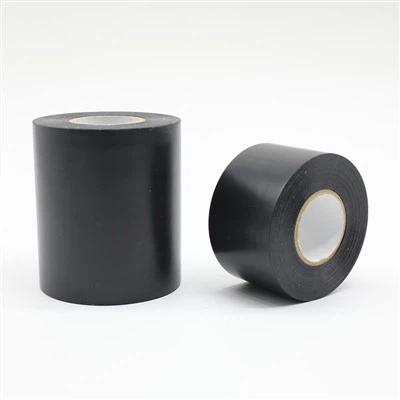
Mopp tape, also known as metalized oriented polypropylene tape, is a versatile product widely used in various industries. As a Mopp tape supplier, I often encounter questions from customers regarding its recyclability. This blog post aims to delve into the topic of whether Mopp tape is recyclable, exploring the properties of Mopp tape, the recycling process, and the challenges and potential solutions.
Understanding Mopp Tape
Mopp tape is a type of adhesive tape that consists of a polypropylene film coated with a thin layer of metal, typically aluminum. This metalized layer gives Mopp tape its distinctive reflective appearance and provides several beneficial properties. It offers excellent moisture resistance, making it suitable for packaging applications where protection against humidity is crucial. Additionally, Mopp tape has good mechanical strength, ensuring reliable sealing and bundling of products.
The versatility of Mopp tape makes it a popular choice in industries such as packaging, electronics, and printing. In the packaging industry, Mopp Strapping Tape is used for securing cartons and packages, while in the electronics sector, it is employed for shielding electronic components from electromagnetic interference. In the printing industry, Mopp tape is used for laminating and finishing printed materials.
The Recycling Process
Recycling is an important aspect of sustainable waste management, aiming to reduce the environmental impact of waste materials by reusing them to create new products. The recycling process typically involves several steps, including collection, sorting, cleaning, and reprocessing.


For plastic materials like polypropylene, the recycling process begins with the collection of used plastic products. These products are then sorted based on their type and quality to ensure that only suitable materials are sent for recycling. After sorting, the plastic is cleaned to remove any contaminants such as dirt, labels, and adhesives. Once cleaned, the plastic is shredded into small pieces and melted down to be reformed into new plastic products.
Is Mopp Tape Recyclable?
The recyclability of Mopp tape is a complex issue that depends on several factors. The main challenge in recycling Mopp tape lies in its composite nature. As mentioned earlier, Mopp tape consists of a polypropylene film and a metalized layer. The presence of the metalized layer makes it difficult to separate the different components of the tape, which is a necessary step in the recycling process.
In many recycling facilities, the equipment and processes are not designed to handle composite materials like Mopp tape. As a result, Mopp tape is often not accepted in traditional recycling programs. However, this does not mean that Mopp tape cannot be recycled at all. There are specialized recycling facilities that have the technology and expertise to separate the polypropylene film from the metalized layer and recycle each component separately.
Some companies are also exploring innovative ways to recycle Mopp tape. For example, researchers are developing new processes that can break down the composite materials of Mopp tape into their individual components more efficiently. These advancements in recycling technology could potentially make Mopp tape more widely recyclable in the future.
Challenges in Recycling Mopp Tape
Despite the potential for recycling Mopp tape, there are several challenges that need to be addressed. One of the main challenges is the lack of awareness and infrastructure for recycling composite materials. Many consumers and businesses are not aware that Mopp tape can be recycled, and there are limited recycling facilities that can handle this type of material.
Another challenge is the cost of recycling Mopp tape. The specialized equipment and processes required to recycle composite materials are often expensive, which can make the recycling process economically unviable. Additionally, the low volume of Mopp tape waste compared to other types of plastic waste further increases the cost per unit of recycling.
Potential Solutions
To overcome the challenges in recycling Mopp tape, several potential solutions can be considered. One solution is to improve the design of Mopp tape to make it more recyclable. For example, manufacturers could develop Mopp tape with a more easily separable metalized layer or use alternative materials that are more compatible with existing recycling processes.
Another solution is to increase awareness and education about the recyclability of Mopp tape. By informing consumers and businesses about the importance of recycling and providing clear guidelines on how to recycle Mopp tape, we can encourage more people to participate in recycling programs.
In addition, governments and industry organizations can play a role in promoting the recycling of Mopp tape. They can provide incentives for recycling facilities to invest in the necessary equipment and technology to recycle composite materials. They can also develop policies and regulations that encourage the use of recyclable materials and promote sustainable waste management practices.
Conclusion
In conclusion, the recyclability of Mopp tape is a complex issue that requires further research and development. While the composite nature of Mopp tape presents challenges in the recycling process, there are potential solutions that can make it more widely recyclable. As a Mopp tape supplier, we are committed to promoting sustainable practices and exploring ways to improve the recyclability of our products.
If you are interested in purchasing Mopp tape or have any questions about its recyclability, please feel free to contact us. We would be happy to discuss your specific needs and provide you with more information about our products and services.
References
- American Chemistry Council. (n.d.). Plastic Recycling. Retrieved from [Website URL]
- European Recycling Industries' Confederation. (n.d.). Recycling of Plastic Packaging. Retrieved from [Website URL]
- Smith, J. (2020). The Future of Recycling Composite Materials. Journal of Sustainable Materials and Technologies, 25, 100321.