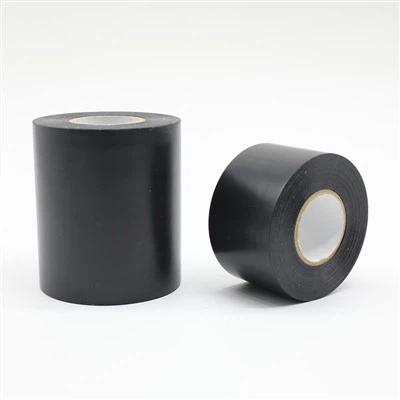
Caution tape and security tape are two types of tapes that are commonly used in various settings, but they serve different purposes and have distinct characteristics. As a caution tape supplier, I have in - depth knowledge of these products and can provide a detailed comparison to help you understand their differences.
Definition and General Use
Caution tape, also known as warning tape, is primarily used to alert people to potential hazards or restricted areas. It is often brightly colored, with bold messages such as "Caution", "Danger", or "Keep Out". This tape is widely used in construction sites, crime scenes, maintenance areas, and other places where there is a risk of injury or where access needs to be restricted temporarily. For example, at a construction site, caution tape can be used to mark off areas where heavy machinery is operating or where there are loose materials on the ground.
On the other hand, security tape is designed to enhance security and prevent unauthorized access or tampering. It is commonly used on doors, windows, packages, and storage containers. Security tape often has features such as tamper - evident markings or holographic elements. When the tape is broken or removed, it leaves visible signs that indicate tampering has occurred. For instance, a company might use security tape on its shipping containers to ensure that the contents have not been accessed during transit.
Physical Characteristics
Color and Appearance
Caution tape is usually available in highly visible colors like bright yellow, red, or orange. These colors are chosen because they stand out in various environments and can quickly catch people's attention. The tape often has large, easy - to - read letters or symbols printed on it. For example, a typical caution tape might have the word "Caution" repeated at regular intervals along its length.
Security tape, while also sometimes brightly colored, may focus more on its security - related features. It can have patterns, holograms, or special inks that are difficult to replicate. Some security tapes are designed to blend in with the surface they are applied to, while still providing the necessary security features. For example, a clear security tape with a hidden pattern can be used on a glass door without being overly conspicuous.
Material
Caution tape can be made from different materials, each with its own advantages. PE Warning Tape is made from polyethylene, which is lightweight, flexible, and resistant to moisture. It is suitable for outdoor use as it can withstand various weather conditions. PVC Cloth Warning Tape is another popular option. It is more durable and tear - resistant than PE tape, making it ideal for areas where there is a lot of foot traffic or where the tape may be subject to abrasion. Reflective Warning Tape is designed to reflect light, making it highly visible at night or in low - light conditions. This type of tape is often used on roadsides or in industrial areas where visibility is crucial.
Security tape can be made from materials such as plastic films, paper, or even metal foils. The choice of material depends on the specific security requirements. For example, a plastic film - based security tape might be used for sealing packages, while a metal foil tape could be used for high - security applications where the tape needs to be more resistant to cutting and tampering.
Adhesive
The adhesive used in caution tape is designed to provide a strong bond to various surfaces, but it should also be removable without leaving a residue. This is important because caution tape is often used for temporary applications. For example, at the end of a construction project, the caution tape needs to be removed cleanly from the surfaces without damaging them.
Security tape adhesive needs to be even stronger and more permanent. It should hold firmly in place to prevent unauthorized removal. Once the tape is applied, it should be difficult to peel off without leaving obvious signs of tampering.
Usage Scenarios
Caution Tape
- Construction Sites: As mentioned earlier, construction sites are one of the most common places where caution tape is used. It can mark off areas where there are potential hazards such as open trenches, scaffolding, or areas where heavy equipment is in operation.
- Crime Scenes: Law enforcement agencies use caution tape to cordon off crime scenes. This helps to keep unauthorized people out and preserve the integrity of the evidence.
- Maintenance Areas: In factories or office buildings, caution tape can be used to mark areas that are being maintained or repaired. For example, if there is a leaky pipe in a hallway, caution tape can be used to warn people to avoid the area.
Security Tape
- Warehouses and Storage Facilities: Security tape is used to seal storage containers and cabinets to prevent unauthorized access. It can also be used on doors and windows to ensure that they have not been opened without permission.
- Shipping and Logistics: Companies use security tape on their packages to protect the contents during transit. If the tape shows signs of tampering upon arrival, it indicates that the package may have been compromised.
- Retail Stores: Retailers may use security tape on high - value items or on display cases to prevent theft and unauthorized handling.
Regulatory and Safety Standards
Caution tape is often subject to safety regulations. In many countries, there are standards regarding the color, size of the letters, and the visibility of caution tape. For example, the Occupational Safety and Health Administration (OSHA) in the United States has specific requirements for the use of caution tape in workplaces to ensure the safety of employees.
Security tape may also be subject to certain regulations, especially when it comes to industries with high - security requirements such as the pharmaceutical or financial sectors. These regulations may govern the level of tamper - evidence, the quality of the materials used, and the testing procedures for the tape.
Cost Considerations
Caution tape is generally more affordable than security tape. This is because caution tape is mainly used for temporary and less - critical applications. The materials used in caution tape are often less expensive, and the manufacturing process is relatively simple.
Security tape, due to its specialized features and the need for high - quality materials and adhesives, is usually more costly. The additional security features such as holograms, tamper - evident markings, and stronger adhesives contribute to the higher price.
Conclusion
In conclusion, caution tape and security tape have different functions, physical characteristics, usage scenarios, regulatory requirements, and cost considerations. As a caution tape supplier, I understand the importance of providing high - quality caution tape that meets the specific needs of our customers. Whether you need caution tape for a construction project, a maintenance job, or any other temporary warning application, we have a wide range of options available, including PE Warning Tape, PVC Cloth Warning Tape, and Reflective Warning Tape.


If you are interested in purchasing caution tape for your business or project, I encourage you to reach out for a detailed discussion. We can help you select the most suitable type of caution tape based on your specific requirements. Whether it's the material, color, or size, we are here to provide you with the best solutions.
References
- Occupational Safety and Health Administration (OSHA) guidelines on safety signage and tapes.
- Industry reports on the use of caution and security tapes in different sectors.
- Manufacturer specifications for various types of caution and security tapes.