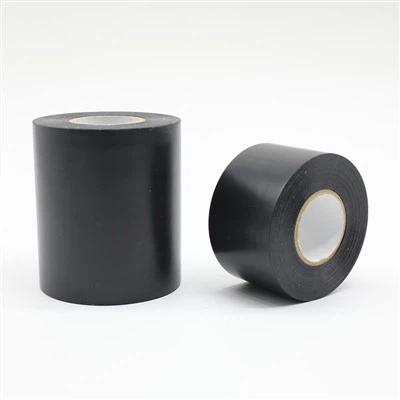
Hey there! As a caution tape supplier, I've been asked about the difference between caution tape and hazard tape quite a bit. So, I thought I'd break it down for you in this blog post.
Let's start with what they have in common. Both caution tape and hazard tape are used to mark off areas and alert people to potential risks. They're super handy in construction sites, industrial areas, or even at home during a DIY project. They come in bright colors, which makes them highly visible from a distance.
Now, let's dig into the differences.
Appearance and Color
Caution tape usually comes in bright yellow with black lettering that says "Caution." The yellow color is chosen because it's easily noticeable, and it gives a general warning that there might be some kind of minor risk in the area. For example, it could be used to mark off a wet floor in a supermarket or a small construction area where there's a bit of debris on the ground.
On the other hand, hazard tape is often red and white. The red color is a universal sign of danger, and it's used to indicate a much more serious threat. Hazard tape might be used around a high - voltage electrical area, a chemical spill, or a deep hole on a construction site. The red and white stripes create a very eye - catching pattern that screams "Stay away!"
Level of Risk
Caution tape is for situations where the risk is relatively low. It's more of a heads - up to be careful. For instance, if you're painting a room in your house and you don't want people to walk through the wet paint, you can put up some caution tape around the area. It's a way to say, "Hey, watch out, there's something here that could cause a small problem."
Hazard tape, as I mentioned, is for high - risk scenarios. When you see hazard tape, it means there's a real chance of serious injury or even death. If you're working in a factory and there's a machine that's malfunctioning and could cause severe harm, hazard tape will be used to cordon off the area.
Usage and Placement
Caution tape is very versatile and can be used in a wide range of settings. You can find it in offices, schools, and public places. It's often used for short - term warnings, like marking off an area during a maintenance job. You can easily tear it and place it around the area you want to mark.


Hazard tape is more commonly used in industrial and high - risk environments. It's usually placed in a very secure way, often with additional signage. For example, around a radioactive area in a nuclear power plant, hazard tape will be accompanied by detailed warning signs about the specific danger.
Types of Caution Tape
As a caution tape supplier, I offer different types of caution tape.
-
PVC Warning Tape: This type of tape is very durable. PVC is a strong plastic material that can withstand different weather conditions. It's great for outdoor use, like on a construction site where it might be exposed to rain or sunlight. You can check out our PVC Warning Tape for more details.
-
PE Cloth Warning Tape: PE cloth tape is more flexible than PVC tape. It can be easily wrapped around irregular objects. It's also lightweight, which makes it easy to carry around. If you need to mark off a pipe or a cable, this type of tape is a great choice. Check out our PE Cloth Warning Tape to see if it suits your needs.
-
PVC Cloth Warning Tape: This tape combines the strength of PVC and the flexibility of cloth. It's very resistant to tearing and can be used in both indoor and outdoor settings. You can find more information about our PVC Cloth Warning Tape.
When to Choose Caution Tape or Hazard Tape
If you're not sure whether to use caution tape or hazard tape, here are some guidelines.
If the risk is minor, like a small leak or a temporary obstacle, go for caution tape. It's cost - effective and easy to use. But if there's a significant risk, such as a fire hazard or a dangerous chemical leak, you should definitely use hazard tape.
Importance of Using the Right Tape
Using the right tape is crucial for safety. If you use caution tape in a high - risk situation, people might not take the threat seriously. On the other hand, if you use hazard tape for a minor issue, it can cause unnecessary panic.
For example, if you use hazard tape around a small puddle on the floor, people might think there's a much more serious problem and avoid the area completely, which could disrupt normal operations. But if you use caution tape around a high - voltage area, people might not realize the danger and could get hurt.
Pricing and Availability
Caution tape is generally more affordable than hazard tape. Since it's used for less serious situations, it doesn't need to have the same high - level safety features as hazard tape. Hazard tape often has to meet strict safety standards, which can drive up the cost.
As a supplier, I make sure that both caution tape and hazard tape are readily available. Whether you need a small roll for a home project or a large quantity for an industrial site, I can provide you with the right product.
Conclusion
So, there you have it! The main differences between caution tape and hazard tape are in their appearance, the level of risk they indicate, their usage, and their cost. As a caution tape supplier, I can help you choose the right tape for your specific needs.
If you're in the market for caution tape or hazard tape, don't hesitate to reach out. Whether you're a contractor, a business owner, or a DIY enthusiast, I've got the products you need to keep your area safe. Contact me to discuss your requirements and get a quote.
References
- Occupational Safety and Health Administration (OSHA) guidelines on safety signage and marking tapes.
- Industry standards for safety tapes in construction and industrial sectors.