


Medical stretch film is a critical component in the healthcare industry, used for various purposes such as wound dressing, surgical drapes, and securing medical devices. Ensuring its sterility is of utmost importance to prevent infections and ensure patient safety. As a stretch film supplier, I understand the significance of providing high - quality, sterile products to our customers. In this blog, I will discuss the various methods of sterilizing stretch film for medical use.
Understanding the Requirements for Medical Stretch Film Sterility
Before delving into the sterilization methods, it's essential to understand the standards and requirements for medical stretch film sterility. The healthcare industry adheres to strict regulations set by organizations such as the Food and Drug Administration (FDA) in the United States and the European Union's Medical Device Regulation (MDR). These regulations define the acceptable levels of microbial contamination and the testing methods to verify sterility.
Medical stretch film must be free from viable microorganisms, including bacteria, fungi, and viruses. The sterility assurance level (SAL) is a key metric, typically set at 10⁻⁶, which means that the probability of a non - sterile unit is one in a million.
Common Sterilization Methods for Medical Stretch Film
1. Ethylene Oxide (EtO) Sterilization
Ethylene oxide is a widely used gas for sterilizing medical devices and packaging materials, including stretch film. It is effective against a broad spectrum of microorganisms, including spores, which are highly resistant to many other sterilization methods.
Process:
The stretch film is placed in a sealed chamber, and ethylene oxide gas is introduced. The gas penetrates the film and reacts with the microorganisms' cellular components, such as proteins and nucleic acids, to inactivate them. The process typically involves several steps, including pre - conditioning to control humidity and temperature, gas exposure for a specific period, and aeration to remove any residual ethylene oxide, which is toxic.
Advantages:
- It can be used at relatively low temperatures, which is beneficial for heat - sensitive stretch films.
- It has excellent penetration properties, ensuring thorough sterilization of complex shapes and dense packaging.
Disadvantages:
- The process is time - consuming, often taking several hours to days, depending on the load size and the aeration requirements.
- Ethylene oxide is a hazardous gas, and proper safety measures must be in place to protect workers and the environment.
2. Gamma Irradiation
Gamma irradiation uses high - energy gamma rays, typically emitted from a radioactive source such as cobalt - 60, to sterilize the stretch film. The gamma rays penetrate the film and damage the DNA and other cellular structures of microorganisms, preventing them from reproducing.
Process:
The stretch film is placed in a radiation chamber, and the gamma rays are directed at it for a specific dose. The dose is carefully calculated based on the type of microorganisms to be inactivated and the thickness and density of the film.
Advantages:
- It is a fast and efficient sterilization method, often taking only a few hours.
- It does not leave any chemical residues on the film, which is important for medical applications.
- It can be used for large - scale production, as the process can be easily automated.
Disadvantages:
- The equipment for gamma irradiation is expensive to install and maintain.
- High - energy radiation can cause some degradation of the stretch film's physical properties, such as reduced tensile strength and elongation, especially at high doses.
3. Electron Beam (e - Beam) Irradiation
Electron beam irradiation is similar to gamma irradiation but uses high - energy electrons instead of gamma rays. The electrons are generated by an electron accelerator and directed at the stretch film.
Process:
The stretch film passes through an electron beam chamber on a conveyor belt. The electrons penetrate the film and interact with the microorganisms, causing damage to their cellular components.
Advantages:
- It is a very fast process, with sterilization times measured in seconds to minutes.
- The equipment is more compact and less expensive than gamma irradiation equipment.
- It can be easily integrated into the production line, allowing for continuous sterilization.
Disadvantages:
- The penetration depth of electrons is limited compared to gamma rays, so it may not be suitable for very thick or dense stretch films.
- Similar to gamma irradiation, it can cause some degradation of the film's physical properties.
Factors Affecting Sterilization Efficiency
1. Film Composition
The composition of the stretch film can significantly affect the sterilization process. Different polymers have different sensitivities to heat, radiation, and chemicals. For example, some polymers may be more prone to degradation when exposed to high - energy radiation, while others may react with ethylene oxide or other sterilizing agents.
2. Film Thickness and Density
Thicker and denser stretch films may require higher doses of radiation or longer exposure times to ensure complete sterilization. The sterilizing agent needs to penetrate the film to reach all the microorganisms, and a thicker film can impede this process.
3. Microbial Load
The initial number of microorganisms on the stretch film, known as the microbial load, also affects the sterilization efficiency. A higher microbial load may require a more aggressive sterilization process or a higher dose of the sterilizing agent.
Quality Control and Testing
After sterilization, it is crucial to perform quality control and testing to ensure the sterility of the stretch film. This typically involves microbiological testing, such as the membrane filtration method or the direct inoculation method, to detect the presence of any viable microorganisms.
In addition to microbiological testing, physical and chemical testing may also be performed to ensure that the stretch film's properties have not been significantly affected by the sterilization process. This may include testing for tensile strength, elongation, and adhesion.
Conclusion
Sterilizing stretch film for medical use is a complex process that requires careful consideration of the sterilization method, the film's properties, and the regulatory requirements. As a stretch film supplier, we are committed to providing our customers with high - quality, sterile products. We work closely with our customers to understand their specific needs and recommend the most appropriate sterilization method for their applications.
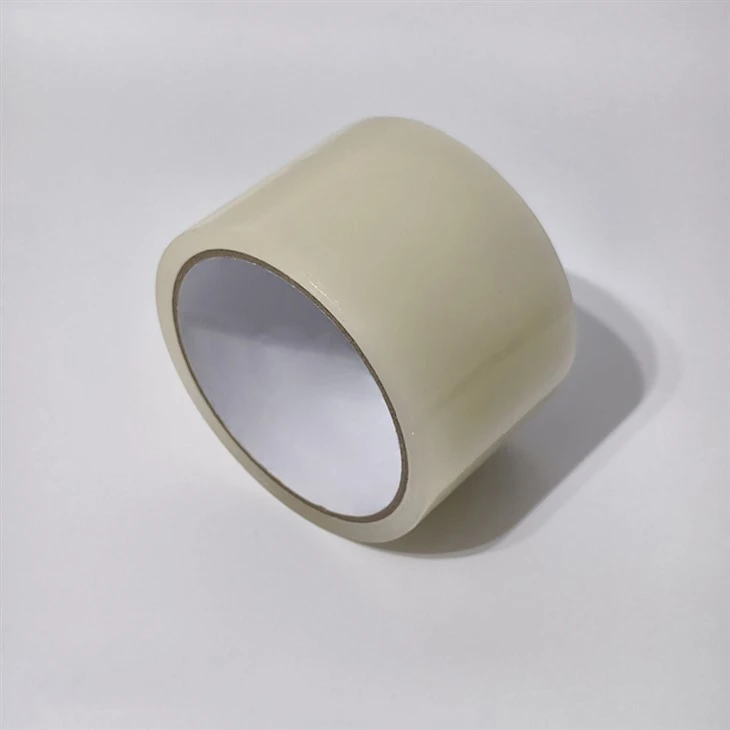

If you are in the market for high - quality Stretch Film or need assistance with sterilization, please feel free to contact us. We also offer PE Repair Tape for various repair and packaging needs. Our team of experts is ready to discuss your requirements and provide you with the best solutions.
References
- "Sterilization of Medical Devices: Principles and Practice" by Andrew S. Block
- FDA regulations on medical device sterilization
- European Union's Medical Device Regulation (MDR) related to sterility requirements


