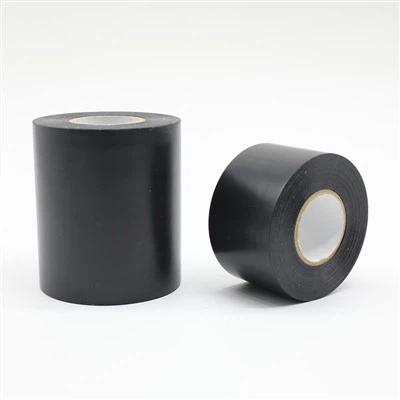
Hey there! As a PVC tape supplier, I've seen firsthand how important it is to store this stuff properly. PVC tape is super versatile and used in a ton of different industries, from electrical work to packaging. But if you don't store it right, you can end up with some major headaches. So, let's dive into how you can store PVC tape to keep it in top-notch condition.
Why Proper Storage Matters
First off, why should you even bother with proper storage? Well, PVC tape has an adhesive layer, and the quality of that adhesive can be affected by various factors. If the tape is exposed to the wrong conditions, the adhesive might dry out, become less sticky, or even start to break down. This can lead to the tape not sticking properly when you need it, which is a huge bummer, especially if you're in the middle of an important project.


Also, the PVC material itself can degrade over time if it's not stored correctly. It might become brittle, crack, or lose its flexibility. This means that the tape won't perform as well as it should, and you might end up having to replace it more often, which can get expensive.
Ideal Storage Conditions
Temperature
Temperature is a biggie when it comes to storing PVC tape. You want to keep it in a place where the temperature is relatively stable. Extreme heat can cause the adhesive to soften and become messy, while extreme cold can make the tape brittle. The ideal temperature range for storing PVC tape is between 50°F (10°C) and 80°F (27°C).
If you're storing the tape in a warehouse or a storage room, make sure it's not near any sources of heat, like heaters or direct sunlight. Sunlight can heat up the tape and cause it to degrade faster. On the other hand, if it's really cold outside, don't leave the tape in an unheated area for too long.
Humidity
Humidity is another factor that can affect PVC tape. High humidity can cause the adhesive to absorb moisture, which can make it less sticky. It can also lead to the growth of mold or mildew on the tape, which is definitely not something you want. The ideal humidity level for storing PVC tape is between 40% and 60%.
To control humidity, you can use a dehumidifier in your storage area if it's too humid. If it's too dry, you might need to use a humidifier to prevent the tape from becoming too brittle.
Light
As I mentioned earlier, sunlight can be bad for PVC tape. Ultraviolet (UV) rays in sunlight can break down the PVC material and the adhesive. So, it's best to store the tape in a dark place or in a container that blocks out light. If you have to store the tape in an area with some light, make sure it's not direct sunlight. You can use curtains or blinds to block out the sun if necessary.
Storage Containers
The type of container you use to store PVC tape can also make a difference. You want to use a container that's clean, dry, and airtight. This will help protect the tape from dust, moisture, and other contaminants.
Plastic storage bins are a great option. They're relatively inexpensive, easy to find, and come in a variety of sizes. Make sure the bins have a tight-fitting lid to keep the air and moisture out. You can also label the bins with the type of tape and the date it was stored, so you can easily find what you need and keep track of how long the tape has been stored.
If you're storing a large quantity of tape, you might consider using a pallet rack system. This will help you organize the tape and keep it off the floor, which can reduce the risk of damage from moisture or pests.
Handling and Stacking
When you're handling PVC tape, make sure you're gentle. Don't pull on the tape too hard or bend it sharply, as this can damage the tape and the adhesive. When you're stacking the tape, make sure you do it properly. Don't stack the tape too high, as this can cause the tape at the bottom to become compressed and damaged.
It's also a good idea to rotate your stock regularly. This means using the oldest tape first and moving the newer tape to the back. This will help ensure that the tape doesn't sit in storage for too long and that you're always using the freshest tape possible.
Specific Types of PVC Tape
Easy Tear PVC Tape
Easy Tear PVC Tape is designed to be easy to tear by hand, which makes it really convenient for a lot of applications. When storing this type of tape, you still need to follow the general storage guidelines I mentioned earlier. However, because it's designed to be easy to tear, you need to be extra careful when handling it. Make sure you don't accidentally tear the tape while you're storing or moving it.
Wire Harness Tape
Wire Harness Tape is used to bundle and protect wires. It's important to store this tape in a way that keeps it clean and free from any contaminants that could affect its electrical properties. Make sure the storage area is free from dust and debris, and keep the tape in a sealed container.
PVC Protective Tape
PVC Protective Tape is used to protect surfaces from scratches, abrasions, and other damage. When storing this tape, you need to make sure it doesn't come into contact with any sharp objects that could damage the protective layer. Also, make sure the tape is stored flat to prevent it from curling or wrinkling.
Conclusion
Storing PVC tape properly is crucial if you want to get the most out of it. By following the tips I've shared in this blog post, you can ensure that your PVC tape stays in good condition and performs well when you need it.
If you're in the market for high-quality PVC tape, we've got you covered. We offer a wide range of PVC tapes, including Easy Tear PVC Tape, Wire Harness Tape, and PVC Protective Tape. If you have any questions or want to discuss your specific needs, don't hesitate to reach out. We're here to help you find the right tape for your project and ensure that you know how to store it properly.
References
- "Adhesive Tape Handbook" - A comprehensive guide on adhesive tapes and their storage.
- Industry research on the effects of temperature and humidity on PVC materials.