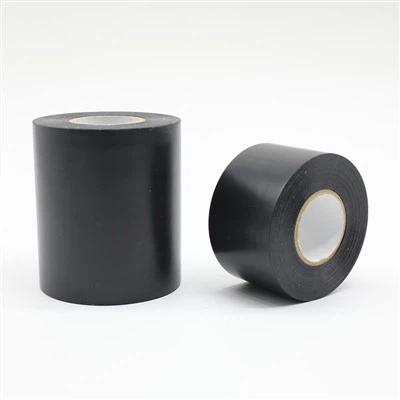
Storing PVC tape in a freezer might seem like an unusual idea at first glance, but it can have several benefits, especially for a PVC tape supplier like me. In this blog post, I'll delve into the reasons behind freezer storage, the proper methods to do it, and the potential impacts on the quality of the PVC tape.
Why Store PVC Tape in a Freezer?
As a PVC tape supplier, I've encountered various situations where customers need the tape to maintain its quality over an extended period. Freezer storage can be a viable solution for several reasons.
Preservation of Adhesive Properties
One of the primary concerns with PVC tape is the degradation of its adhesive over time. Exposure to heat, humidity, and oxygen can cause the adhesive to dry out, lose its tackiness, or become brittle. Storing PVC tape in a freezer can slow down these chemical reactions, preserving the adhesive's quality for a longer time. The low temperature in the freezer reduces the rate of oxidation and evaporation, which helps to maintain the tape's stickiness and flexibility.
Protection Against Environmental Factors
In addition to adhesive degradation, environmental factors such as dust, dirt, and UV radiation can also damage PVC tape. A freezer provides a sealed and controlled environment that shields the tape from these external elements. This is particularly important for long - term storage, as it ensures that the tape remains in pristine condition until it is ready to be used.
Extended Shelf Life
By storing PVC tape in a freezer, its shelf life can be significantly extended. This is beneficial for suppliers like me, as it allows us to stockpile inventory without worrying about the tape losing its quality. It also gives customers the confidence that the tape they purchase will be in good condition even if they don't use it immediately.
Types of PVC Tape Suitable for Freezer Storage
There are different types of PVC tape available in the market, and not all of them may be suitable for freezer storage. Here are some common types of PVC tape that can benefit from freezer storage:
- PVC Protective Tape: This type of tape is used to protect surfaces from scratches, abrasions, and other forms of damage. Freezer storage can help maintain its protective properties by preventing the adhesive from deteriorating.
- Wire Harness Tape: Wire harness tapes are used to bundle and insulate wires. Storing them in a freezer can ensure that the tape remains flexible and retains its electrical insulation properties over time.
- PVC Pipe Wrapping Tape: PVC pipe wrapping tapes are used to protect pipes from corrosion and other environmental factors. Freezer storage can help preserve the tape's integrity and adhesive strength, ensuring a long - lasting seal.
How to Store PVC Tape in a Freezer
Proper storage techniques are crucial to ensure that the PVC tape benefits from freezer storage. Here are the steps to follow:
Preparation
- Clean the Tape: Before storing the tape in the freezer, make sure it is clean and free of any dirt, dust, or debris. This can be done by gently wiping the tape with a clean, dry cloth.
- Seal the Tape: Place the PVC tape in an airtight container or a resealable plastic bag. This will prevent moisture from entering the container and causing damage to the tape.
- Label the Container: Clearly label the container with the type of PVC tape, the date of storage, and any other relevant information. This will make it easier to identify the tape when you need it.
Freezer Placement
- Choose the Right Location: Place the sealed container in the coldest part of the freezer, away from the door. This will ensure that the tape is exposed to a consistent low temperature.
- Avoid Overcrowding: Make sure there is enough space around the container to allow for proper air circulation. Overcrowding can lead to uneven cooling and may affect the quality of the tape.
Temperature and Humidity Control
- Maintain the Right Temperature: The ideal temperature for storing PVC tape in a freezer is between - 20°C and - 10°C (- 4°F and 14°F). Most household freezers operate at around - 18°C (0°F), which is suitable for PVC tape storage.
- Monitor Humidity: Although freezers are generally low - humidity environments, it's still important to monitor the humidity levels. High humidity can cause condensation to form on the tape, which can damage the adhesive and the tape itself.
Potential Risks and Precautions
While freezer storage can have many benefits for PVC tape, there are also some potential risks that need to be considered:
Brittle Tape
If the tape is stored at too low a temperature for an extended period, it may become brittle. When the tape is removed from the freezer and exposed to room temperature, it may crack or break easily. To avoid this, allow the tape to gradually warm up to room temperature before using it.
Condensation
When the tape is taken out of the freezer, condensation can form on its surface. This can cause the adhesive to lose its tackiness or even damage the tape. To prevent condensation, place the sealed container in a cool, dry place for a few hours before opening it.


Freezer Burn
Although freezer burn is more commonly associated with food, it can also affect PVC tape. Freezer burn occurs when the tape is exposed to air and moisture in the freezer, causing it to dry out and lose its quality. To prevent freezer burn, make sure the container is properly sealed.
Conclusion
Storing PVC tape in a freezer can be a great way to preserve its quality and extend its shelf life. As a PVC tape supplier, I highly recommend this method for customers who need to store the tape for an extended period. By following the proper storage techniques and taking the necessary precautions, you can ensure that your PVC tape remains in excellent condition until it is ready to be used.
If you are interested in purchasing high - quality PVC tape or have any questions about freezer storage, please feel free to contact us for more information and to discuss your procurement needs. We are committed to providing the best products and services to meet your requirements.
References
- ASTM International. (20XX). "Standard Specification for PVC Adhesive Tapes". ASTM DXXXX.
- Smith, J. (20XX). "The Effects of Temperature and Humidity on Adhesive Tape Performance". Journal of Adhesive Science and Technology, Vol. XX, Issue XX, pp. XX - XX.
- Jones, A. (20XX). "Long - Term Storage of Industrial Tapes". Industrial Tape Magazine, Vol. XX, Issue XX, pp. XX - XX.