Yo, what's up! I'm a supplier of PVC tape, and I've seen firsthand how important it is to have a long - lasting bond with this stuff. Whether you're using it for industrial purposes, DIY projects, or just some quick fixes around the house, a strong and durable bond is key. In this blog, I'm gonna share some tips on how you can ensure that your PVC tape bond lasts as long as possible.
Understanding PVC Tape
First off, let's talk a bit about PVC tape. PVC, or polyvinyl chloride, is a synthetic plastic polymer that's known for its flexibility, durability, and resistance to water, chemicals, and UV rays. These properties make PVC tape a popular choice for a wide range of applications.
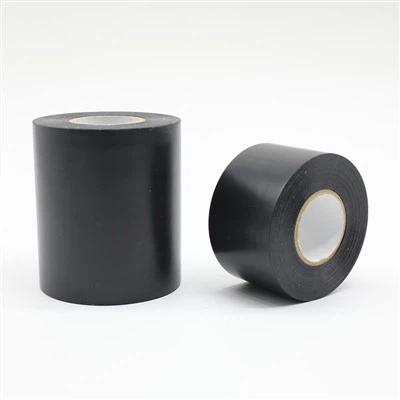
We offer different types of PVC tape, like PVC Pipe Wrapping Tape, Transparent PVC Tape, and Wire Harness Tape. Each type has its own unique features and is designed for specific uses. For example, PVC pipe wrapping tape is great for protecting pipes from corrosion and abrasion, while transparent PVC tape is often used for packaging and sealing because it's easy to see through. Wire harness tape, on the other hand, is used to bundle and insulate wires in electrical systems.
Surface Preparation
One of the most important factors in ensuring a long - lasting bond with PVC tape is proper surface preparation. You gotta make sure the surface you're applying the tape to is clean, dry, and free of any dirt, grease, or debris. If the surface is dirty, the adhesive on the tape won't be able to stick properly, and the bond will be weak.
To clean the surface, you can use a mild detergent and water. Make sure to rinse the surface thoroughly and let it dry completely before applying the tape. If the surface is greasy, you might need to use a degreaser to remove the oil. Just be careful not to use any solvents that could damage the surface or the tape itself.
Another thing to keep in mind is the texture of the surface. Rough surfaces can provide more grip for the tape, but they also need to be clean. Smooth surfaces, on the other hand, might require a bit more attention to ensure a good bond. You can try lightly sanding a smooth surface to create a bit of texture, but make sure not to sand too hard and damage the surface.
Application Techniques
Once the surface is prepared, it's time to apply the PVC tape. Here are some tips to help you get a good bond:
- Apply the tape evenly: Make sure to apply the tape in a straight line and press it down firmly as you go. Use a roller or a flat object to smooth out any bubbles or wrinkles. This will help the adhesive make full contact with the surface and create a strong bond.
- Overlap the tape: If you need to use multiple pieces of tape, overlap them by at least 1/2 inch. This will help prevent any gaps or weak spots in the bond.
- Stretch the tape slightly: When applying the tape, give it a little stretch as you go. This will help the tape conform to the shape of the surface and create a tighter bond. Just don't stretch it too much, or you might damage the tape.
- Use the right amount of pressure: Pressing the tape down firmly is important, but you don't want to use too much pressure. Too much pressure can cause the tape to wrinkle or peel up at the edges. Find a good balance and make sure the tape is evenly pressed down across the entire surface.
Environmental Factors
The environment where the PVC tape is used can also have a big impact on the longevity of the bond. Here are some environmental factors to consider:
- Temperature: PVC tape works best at moderate temperatures. Extreme heat or cold can affect the adhesive and weaken the bond. If you're using the tape in a hot environment, make sure to choose a tape that's rated for high temperatures. In cold environments, you might need to warm up the tape slightly before applying it to make it more flexible.
- Humidity: High humidity can cause the adhesive on the tape to lose its stickiness. If you're using the tape in a humid environment, try to apply it on a dry day or in a well - ventilated area. You can also use a dehumidifier to reduce the humidity in the area.
- UV exposure: Over time, UV rays from the sun can break down the PVC tape and weaken the bond. If the tape will be exposed to sunlight, choose a tape that has UV protection. You can also use a protective coating or cover the tape with something to shield it from the sun.
Storage and Handling
Proper storage and handling of PVC tape are also important for maintaining its quality and ensuring a long - lasting bond. Here's what you need to know:
- Store the tape in a cool, dry place: Heat and humidity can damage the tape and the adhesive. Keep the tape in a storage area where the temperature and humidity are controlled.
- Keep the tape away from sharp objects: Sharp objects can cut or damage the tape, which can affect its performance. Make sure to store the tape in a safe place where it won't be accidentally damaged.
- Check the expiration date: Like any other product, PVC tape has an expiration date. Make sure to check the date before using the tape and don't use it if it's expired.
Maintenance and Inspection
Once the PVC tape is applied, it's important to regularly inspect and maintain it to ensure the bond lasts. Here are some things you can do:
- Check for signs of wear or damage: Look for any signs of peeling, cracking, or discoloration on the tape. If you notice any problems, replace the tape as soon as possible.
- Clean the tape periodically: If the tape gets dirty, clean it with a mild detergent and water. This will help remove any dirt or debris that could weaken the bond.
- Re - apply the tape if necessary: Over time, the bond might weaken due to environmental factors or normal wear and tear. If you notice that the tape is starting to come loose, re - apply it using the proper techniques.
Conclusion
Ensuring a long - lasting bond with PVC tape requires a combination of proper surface preparation, application techniques, consideration of environmental factors, and good storage and maintenance practices. By following these tips, you can make sure that your PVC tape bond lasts as long as possible, whether you're using it for industrial, commercial, or personal projects.


If you're interested in purchasing high - quality PVC tape or have any questions about our products, feel free to reach out. We're here to help you find the right tape for your needs and ensure that you get the best results.
References
- General knowledge about PVC tape properties and applications.
- Industry best practices for tape application and maintenance.