In the dynamic landscape of the manufacturing industry, the search for efficient, cost - effective, and reliable packaging solutions is a constant pursuit. As a seasoned Stretch Film supplier, I've witnessed firsthand the transformative impact that stretch film can have on manufacturing operations. In this blog, we'll delve into the question: Can stretch film be used in the manufacturing industry? The answer is a resounding yes, and here's why.
The Basics of Stretch Film
Before we explore its applications in manufacturing, let's understand what stretch film is. Stretch film is a highly elastic plastic film that can be stretched and wrapped around products or pallets. It is typically made from linear low - density polyethylene (LLDPE), which gives it excellent stretchability, puncture resistance, and cling properties. The Stretch Film we supply at our company is engineered to meet the diverse needs of different industries, including manufacturing.
Protection of Goods
One of the primary functions of stretch film in the manufacturing industry is to protect goods during storage and transportation. Manufacturing plants produce a wide range of products, from delicate electronic components to heavy machinery parts. Stretch film provides a protective barrier against dust, moisture, and scratches.
For example, in the automotive manufacturing sector, stretch film is used to wrap engine components and body parts. These parts are often transported long distances before reaching the assembly line. The stretch film prevents any damage that could occur due to vibrations, impacts, or environmental factors during transit. Similarly, in the electronics manufacturing industry, where components are sensitive to static electricity and physical damage, stretch film with anti - static properties can be used to safeguard these valuable items.
Unitization and Stability
In manufacturing, it is common to stack and transport multiple products together. Stretch film plays a crucial role in unitizing these products, turning them into a single, stable load. By wrapping products tightly with stretch film, it holds them together, preventing them from shifting or falling during handling and transportation.
Palletized loads are a prime example. Manufacturers often use pallets to move large quantities of products within the factory or to distribute them to customers. Stretch film is wrapped around the products on the pallet, creating a secure unit. This not only makes it easier to handle the load with forklifts or other material - handling equipment but also reduces the risk of product damage caused by load shifting.


Cost - Efficiency
Cost is always a significant consideration in the manufacturing industry. Stretch film offers a cost - effective packaging solution compared to other alternatives. It requires less material than traditional packaging methods such as boxes or crates, which means lower material costs. Additionally, the application of stretch film is relatively quick and easy, reducing labor costs.
For instance, if a manufacturer were to use wooden crates to package a large number of products, they would need to purchase the crates, assemble them, and then disassemble them at the destination. This process is time - consuming and expensive. In contrast, stretch film can be applied using automated stretch - wrapping machines, which can wrap a pallet in a matter of minutes. The cost savings in terms of material and labor make stretch film an attractive option for manufacturers.
Customizability
Stretch film can be customized to meet the specific needs of different manufacturing processes. It comes in various thicknesses, widths, and colors. Thicker stretch films are suitable for heavy - duty applications, such as wrapping large machinery parts, while thinner films can be used for lighter products.
The color of the stretch film can also be customized. For example, a manufacturer may choose a colored stretch film to indicate different product batches or to provide a visual warning. Some stretch films can also be printed with company logos, product information, or handling instructions, which is useful for brand promotion and product identification.
Compatibility with Automated Systems
Modern manufacturing facilities are increasingly relying on automated systems for packaging and material handling. Stretch film is highly compatible with these automated systems. Automated stretch - wrapping machines can be integrated into the production line, allowing for seamless and efficient packaging.
These machines can be programmed to apply the right amount of stretch, tension, and number of wraps according to the product specifications. This ensures consistent and high - quality packaging, reducing the risk of human error. Moreover, automated stretch - wrapping systems can operate at high speeds, keeping up with the fast - paced production environment in manufacturing plants.
Environmental Considerations
In recent years, environmental sustainability has become a major concern in the manufacturing industry. Many stretch films are now made from recyclable materials, which helps manufacturers reduce their environmental impact. Additionally, the reduced material usage of stretch film compared to other packaging methods means less waste generation.
Some stretch films are also biodegradable or compostable, offering an even more eco - friendly option. As more and more manufacturers strive to meet environmental regulations and consumer demands for sustainable products, stretch film provides a viable solution that aligns with these goals.
Comparison with Other Packaging Solutions
While stretch film offers numerous benefits, it's important to compare it with other packaging solutions commonly used in the manufacturing industry.
PE Repair Tape
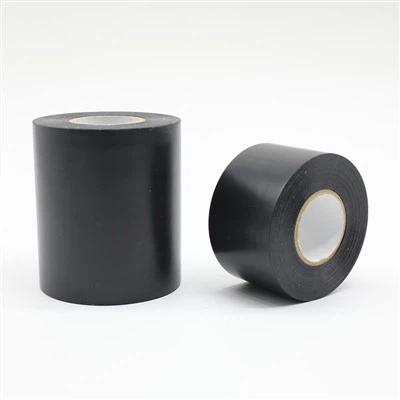
PE Repair Tape is another product that is often used in manufacturing. It is mainly used for repairing damaged stretch film or other packaging materials. Unlike stretch film, which is used for primary packaging, PE repair tape is a secondary product used for maintenance and repair. Stretch film provides a more comprehensive packaging solution, as it can be used to wrap products from the start, while PE repair tape is only used when there is a problem with the existing packaging.
Shrink Wrap
Shrink wrap is another popular packaging option. It is similar to stretch film in that it is used to wrap products, but it works differently. Shrink wrap is heated to shrink around the product, creating a tight fit. While shrink wrap can provide a very neat and professional appearance, it requires additional equipment (heat guns or shrink tunnels) for application, which can be costly and time - consuming. Stretch film, on the other hand, can be applied without the need for heat, making it a more convenient and cost - effective option in many cases.
Conclusion
In conclusion, stretch film is a versatile and valuable tool in the manufacturing industry. Its ability to protect goods, unitize loads, offer cost - efficiency, customizability, and compatibility with automated systems makes it an ideal packaging solution for a wide range of manufacturing applications. Whether you're a small - scale manufacturer or a large - scale industrial enterprise, stretch film can help you streamline your packaging processes, reduce costs, and improve the overall quality of your products.
If you're interested in exploring how stretch film can benefit your manufacturing operations, I encourage you to reach out for a procurement discussion. Our team of experts is ready to provide you with detailed information, product samples, and customized solutions tailored to your specific needs.
References
- Packaging World. "The Role of Stretch Film in Modern Manufacturing."
- Industrial Packaging Journal. "Cost - Effective Packaging Solutions for Manufacturers."
- Manufacturing Today Magazine. "Automation and Packaging in the Manufacturing Industry."