Can splicing be used in the production of food additives?
In the dynamic landscape of the food industry, the quest for innovation and efficiency is unending. One area that has piqued the interest of many is the potential application of splicing in the production of food additives. As a splicing supplier, I've been closely following this topic and believe it's time to delve into the details and explore the viability of this concept.
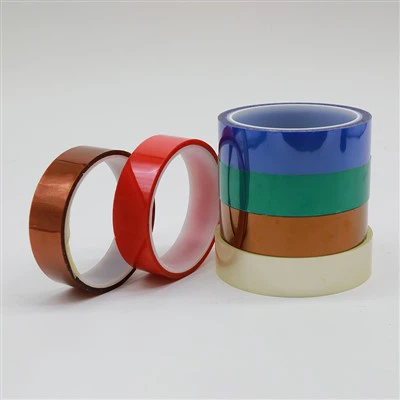
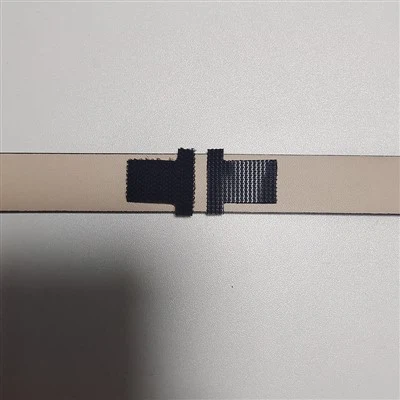
Splicing, in its essence, is a technique that involves joining two or more materials together. It has found widespread use in various industries, such as Welding, Die Cutting, and Tape Printing. But can it be effectively employed in the production of food additives? Let's find out.
First and foremost, it's crucial to understand the nature of food additives. These are substances added to food to enhance its flavor, texture, appearance, or shelf - life. They must meet strict safety and quality standards set by regulatory bodies around the world. When considering splicing for food additive production, we need to ensure that the process does not compromise these standards.
One potential application of splicing in food additive production could be in the creation of composite additives. For example, by splicing different types of flavoring agents or preservatives, we might be able to develop new and improved products. This could lead to a more intense and well - rounded flavor profile, or enhanced preservation capabilities. However, this requires a deep understanding of the chemical properties of the individual components and how they interact when spliced together.
Another aspect to consider is the safety of the splicing process itself. The materials used in splicing, as well as the method of joining, must be food - grade and non - toxic. Any contaminants introduced during the splicing process could pose a serious risk to consumers. Therefore, strict quality control measures need to be in place from the start. This includes sourcing high - quality raw materials, using appropriate splicing techniques, and conducting thorough testing at every stage of production.
In addition to safety, the economic viability of using splicing in food additive production is also a key factor. The cost of implementing splicing technology, including the purchase of equipment and training of personnel, must be weighed against the potential benefits. If the new spliced food additives can command a higher price in the market due to their enhanced properties, then the investment might be worthwhile. However, if the cost outweighs the benefits, it may not be a practical solution.


From a regulatory perspective, the use of splicing in food additive production would need to comply with existing food safety regulations. Regulatory agencies would need to review and approve any new spliced food additives before they can be sold to the public. This process can be time - consuming and costly, but it is essential to ensure the safety of consumers.
One of the challenges in using splicing for food additives is the lack of extensive research in this area. While splicing has been well - studied in other industries, its application in food additive production is relatively new. More research is needed to fully understand the potential benefits and risks. This could involve conducting laboratory experiments, pilot - scale production runs, and long - term safety studies.
Despite these challenges, there are also several advantages to using splicing in food additive production. For one, it could lead to greater innovation in the industry. By combining different substances in new ways, we can create unique food additives that meet the evolving demands of consumers. This could give food manufacturers a competitive edge in the market.
Moreover, splicing could potentially improve the efficiency of production. By creating composite additives, we might be able to reduce the number of individual ingredients needed in a food product, simplifying the manufacturing process. This could lead to cost savings and increased productivity.
As a splicing supplier, I am excited about the potential of this technology in the food additive industry. We have the expertise and resources to develop and implement splicing solutions that meet the strict requirements of the food industry. Our team of experts is constantly researching and experimenting with different splicing techniques to find the most suitable ones for food additive production.
If you are a food manufacturer or a distributor interested in exploring the use of splicing in your food additive production, I encourage you to get in touch with us. We can work together to assess the feasibility of using splicing in your specific situation, develop customized solutions, and ensure compliance with all relevant regulations. Our goal is to help you stay ahead in the competitive food market by providing innovative and high - quality splicing solutions.
In conclusion, while there are challenges and uncertainties associated with using splicing in food additive production, the potential benefits are significant. With proper research, safety measures, and regulatory compliance, splicing could become a valuable tool in the food industry. As a splicing supplier, we are ready to support the industry in this exciting journey of innovation.
References
- Food and Agriculture Organization of the United Nations. (20XX). Food Additives: Safety and Regulation.
- Journal of Food Science and Technology. (20XX). Recent Advances in Food Additive Production Technologies.
- World Health Organization. (20XX). Guidelines for Food Safety in the Production of Additives.