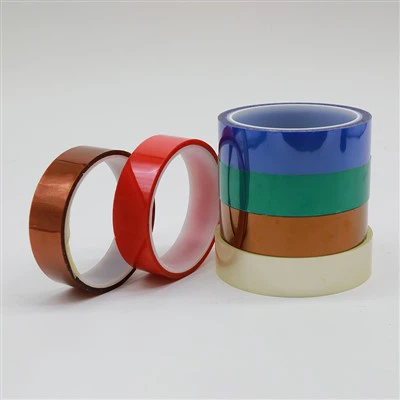
Hey there! As a supplier of PET tape, I often get asked a bunch of questions about what our tape can and can't do. One question that keeps popping up is, "Can pet tape be used for painting masking?" Well, let's dive right into it and find out.
First off, let's talk a bit about what PET tape is. PET stands for polyethylene terephthalate, which is a type of plastic. Our PET Tape is made from this strong and durable material. It's known for its high tensile strength, good chemical resistance, and excellent dimensional stability. These properties make it a popular choice in many industries, but can it hold up when it comes to painting masking?
The Basics of Painting Masking
When you're painting, masking is all about protecting areas that you don't want to get painted. You use tape to create a clean, sharp line between the painted and unpainted areas. The ideal masking tape should stick well to the surface, but not leave any residue when you remove it. It also needs to be able to withstand the paint and any solvents that might be used in the painting process.
Advantages of Using PET Tape for Painting Masking
One of the big advantages of using our PET tape for painting masking is its strength. Unlike some other types of masking tape, PET tape won't tear easily. This means you can handle it without worrying about it breaking in the middle of the masking process. Whether you're masking a small area or a large one, the tape will stay intact and maintain its shape.
Another plus is its heat resistance. If you're using high - temperature paints or if the painting area gets warm during the drying process, PET tape can handle it. It won't melt or lose its adhesive properties, which is crucial for getting a clean and professional - looking paint job.
The dimensional stability of PET tape is also a huge benefit. It doesn't stretch or shrink easily, so you can be sure that the lines you create with the tape will stay straight and accurate. This is especially important when you're doing detailed painting work, like painting trim or creating patterns.
Adhesive Considerations
The adhesive on our PET tape is designed to be strong enough to hold the tape in place during the painting process, but not so strong that it damages the surface when removed. We've tested it on a variety of surfaces, including wood, metal, and plastic, and it performs really well. It sticks firmly to the surface, preventing paint from seeping under the tape, but when it's time to remove it, it peels off cleanly without leaving any sticky residue.
However, it's important to note that the performance of the adhesive can be affected by the surface condition. If the surface is dirty, oily, or uneven, the tape might not stick as well. So, it's always a good idea to clean and prepare the surface before applying the tape.
Compatibility with Different Paints
Our PET tape is compatible with a wide range of paints, including latex, oil - based, and enamel paints. It can handle the solvents in these paints without getting damaged or losing its adhesive properties. Whether you're doing a simple DIY painting project at home or a professional - level job, our tape can be a reliable choice.
Limitations of Using PET Tape for Painting Masking
While PET tape has a lot of great features for painting masking, it's not without its limitations. One of the main limitations is its cost. Compared to some other types of masking tape, PET tape can be a bit more expensive. This might be a factor to consider if you're on a tight budget and doing a large - scale painting project.
Another thing to keep in mind is that PET tape might not be the best choice for very porous or textured surfaces. The tape might not conform as well to these surfaces, which could lead to paint seepage. In such cases, you might want to consider using a different type of masking tape that is specifically designed for porous or textured surfaces.
Tips for Using PET Tape for Painting Masking
If you decide to use our PET tape for your painting project, here are some tips to get the best results:
- Surface Preparation: As mentioned earlier, clean the surface thoroughly before applying the tape. Use a mild detergent and water to remove any dirt, grease, or dust. Let the surface dry completely before applying the tape.
- Proper Application: Make sure to apply the tape smoothly and firmly to the surface. Use a squeegee or a credit card to press the tape down and remove any air bubbles. This will ensure a good seal and prevent paint from seeping under the tape.
- Timing of Removal: Don't leave the tape on for too long after the paint has dried. The longer the tape stays on, the more difficult it might be to remove without leaving residue. As a general rule, try to remove the tape within 24 hours after the paint has dried.
Real - World Examples
I've had customers who have used our PET tape for all sorts of painting projects. One customer was painting a vintage car. They needed a tape that could withstand the high - temperature paint and the heat from the drying process. Our PET tape worked like a charm. It held up during the painting and drying, and when it was removed, it left a clean, sharp line.
Another customer was doing a detailed wall mural. They needed a tape that could create precise lines for the different colors in the mural. The dimensional stability of our PET tape was perfect for this job. The lines were straight and the colors didn't bleed into each other.
Conclusion
So, can pet tape be used for painting masking? The answer is a resounding yes! Our PET tape has a lot of advantages that make it a great choice for painting masking. Its strength, heat resistance, dimensional stability, and good adhesive properties all contribute to a successful painting project.
Of course, it's not the perfect solution for every situation. There are some limitations, like cost and performance on very porous or textured surfaces. But overall, if you're looking for a high - quality masking tape that can handle a variety of painting jobs, our PET tape is definitely worth considering.


If you're interested in purchasing our PET tape for your next painting project or any other application, we'd love to hear from you. Contact us to discuss your requirements and get a quote. We're here to help you find the best tape solution for your needs.
References
- "Plastic Materials Handbook" - A comprehensive guide on different types of plastics, including PET.
- "Painting Techniques and Best Practices" - A resource that provides in - depth information on painting processes and the importance of masking.