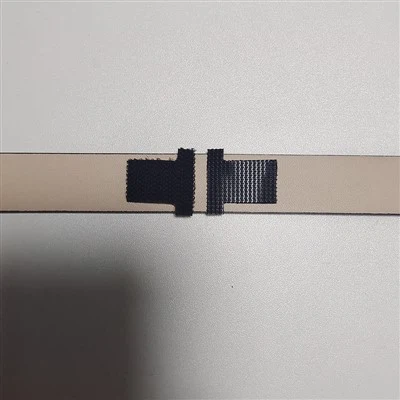
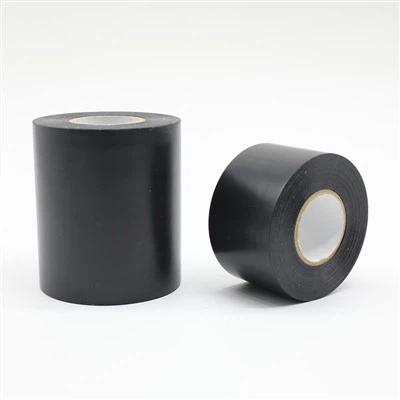
Hey there! As a supplier of PET tape, I often get asked a bunch of questions about what our tape can and can't do. One question that pops up quite a bit is, "Can pet tape be used for fabric bonding?" Well, let's dive right into this topic and find out.
First off, let's talk a bit about what PET tape is. PET stands for polyethylene terephthalate, which is a type of plastic. Our PET Tape is made from this strong and durable plastic material, and it usually comes with an adhesive on one side. This adhesive is what allows the tape to stick to various surfaces.
When it comes to fabric bonding, there are a few things we need to consider. Fabric is a tricky material because it comes in so many different types - cotton, polyester, silk, and more. Each type of fabric has its own unique properties, like texture, porosity, and stretchability. These properties can greatly affect how well the tape bonds to the fabric.
Let's start with the good news. In some cases, PET tape can work really well for fabric bonding. For example, if you're working with a smooth, non - porous fabric like polyester, the tape can form a decent bond. The smooth surface of the polyester allows the adhesive on the PET tape to make good contact, creating a relatively strong hold. This can be useful for quick repairs, like fixing a small tear in a polyester garment or attaching a label to a polyester bag.
Another situation where PET tape can be handy for fabric bonding is when you need a temporary bond. Maybe you're doing a craft project and you just want to hold two pieces of fabric together for a short period. The tape can easily be removed later without leaving too much residue, which is a big plus.
However, there are also some limitations. One of the biggest challenges is with porous fabrics like cotton. Cotton has a lot of tiny holes and fibers that can prevent the adhesive from making a strong, long - lasting bond. The tape might stick at first, but over time, especially if the fabric is moved or washed, the bond can weaken and the tape can start to peel off.
Stretchable fabrics are another issue. PET tape is not very stretchy itself. When you try to bond it to a stretchy fabric, like spandex, the difference in stretchability can cause problems. As the fabric stretches, the tape can't keep up, and it may start to come loose or even tear the fabric.


The environment also plays a role. If the fabric is going to be exposed to high temperatures, moisture, or chemicals, the performance of the PET tape can be affected. High temperatures can cause the adhesive to soften, reducing its bonding strength. Moisture can also weaken the bond, especially if the tape isn't waterproof. And some chemicals can react with the adhesive, causing it to break down.
Now, let's talk about how we've tried to address these limitations. At our company, we've been working on developing special adhesives for our PET Tape that are better suited for fabric bonding. These adhesives are designed to have better penetration into porous fabrics, creating a stronger bond. We've also been looking into more flexible adhesives that can better handle the stretch of elastic fabrics.
We've conducted a bunch of tests to see how our tape performs on different types of fabrics. In our tests, we've found that our improved PET tape can offer a much better bond on a wider range of fabrics compared to traditional tapes. But we're still not resting on our laurels. We're constantly researching and developing new products to make our tape even more versatile for fabric bonding.
If you're considering using PET tape for fabric bonding, here are some tips. First, make sure the fabric is clean and dry before applying the tape. Any dirt, oil, or moisture on the fabric can reduce the bonding strength. Second, apply some pressure when you're sticking the tape to the fabric. This helps the adhesive make better contact with the fabric surface. And finally, if you're not sure how the tape will perform on a particular fabric, it's a good idea to do a small test patch first.
In conclusion, while PET tape can be used for fabric bonding in certain situations, it's not a one - size - fits - all solution. There are pros and cons, and it really depends on the type of fabric, the intended use, and the environment. But as a supplier, we're committed to providing the best possible products and solutions for our customers.
If you're interested in learning more about our PET Tape and its potential for fabric bonding, or if you have any other questions, we'd love to hear from you. Whether you're a small - scale crafter or a large - scale manufacturer, we can work with you to find the right tape for your needs. Just reach out to us, and we can start a conversation about your specific requirements. Let's see if our PET tape is the perfect fit for your fabric bonding projects!
References
- "Adhesive Technology Handbook" by Robert L. Patrick
- Various in - house research reports on PET tape performance on different fabrics.