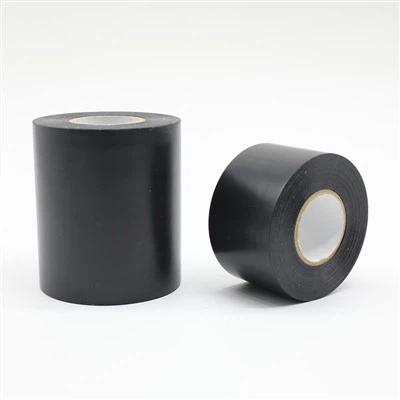
Hey there! As a supplier of caution tape, I often get asked a bunch of questions about where and how our tapes can be used. One of the most common queries I hear is, "Can caution tape be used on plastic surfaces?" Well, let's dive right into it and find out.
First off, let's talk about the basics of caution tape. We've got different types, like PE Warning Tape, PVC Cloth Warning Tape, and PE Cloth Warning Tape. Each type has its own unique features and properties, which can affect how well it sticks to plastic surfaces.
Compatibility with Plastic Surfaces
When it comes to using caution tape on plastic, the key thing to consider is compatibility. Not all plastics are the same, and some may have a smooth or oily surface that can make it difficult for the tape to adhere properly. For example, polyethylene (PE) and polypropylene (PP) plastics are known for their low surface energy, which means they can be a bit tricky to bond with. On the other hand, PVC (polyvinyl chloride) plastics usually have a higher surface energy, making them more receptive to tape adhesion.
Let's start with PE Warning Tape. This type of tape is made from polyethylene, which is a relatively soft and flexible material. It's often used for indoor applications where a temporary warning barrier is needed. PE warning tape typically has a strong adhesive that can stick well to many types of plastic surfaces, especially those with a smooth finish. However, if the plastic surface is dirty, greasy, or has a low surface energy, the tape may not adhere as well. In such cases, it's a good idea to clean the surface thoroughly before applying the tape to improve adhesion.


Next up is PVC Cloth Warning Tape. PVC cloth warning tape is more durable and weather-resistant than PE warning tape, making it suitable for both indoor and outdoor use. The cloth backing gives it extra strength and tear resistance, while the PVC coating provides protection against moisture, UV rays, and chemicals. This type of tape usually has a high-tack adhesive that can bond well to a variety of plastic surfaces, including those with a textured or rough finish. However, like any tape, it may not adhere properly if the surface is contaminated or has a low surface energy.
Finally, we have PE Cloth Warning Tape. PE cloth warning tape combines the flexibility of polyethylene with the strength of a cloth backing. It's a popular choice for industrial applications where a tough and reliable warning tape is needed. The adhesive on PE cloth warning tape is designed to provide a strong bond to plastic surfaces, even in harsh environments. However, as with other types of tape, proper surface preparation is essential for optimal adhesion.
Surface Preparation
As I mentioned earlier, surface preparation is crucial when using caution tape on plastic surfaces. Here are some steps you can take to ensure a good bond:
- Clean the surface: Use a mild detergent and water to clean the plastic surface thoroughly. Remove any dirt, dust, grease, or other contaminants that could interfere with the tape's adhesion. Rinse the surface with clean water and allow it to dry completely before applying the tape.
- Sand the surface (if necessary): If the plastic surface is very smooth or has a low surface energy, you may need to sand it lightly to create a rough surface for better adhesion. Use a fine-grit sandpaper and sand the surface in a circular motion. Be careful not to sand too hard, as this could damage the plastic.
- Apply a primer (optional): In some cases, applying a primer to the plastic surface can improve the tape's adhesion. There are special primers available that are designed for use with plastic surfaces. Follow the manufacturer's instructions when applying the primer, and allow it to dry completely before applying the tape.
Application Tips
Once you've prepared the plastic surface, it's time to apply the caution tape. Here are some tips to help you get the best results:
- Peel the tape slowly: When peeling the tape from the backing, do it slowly and steadily to avoid stretching or tearing the tape.
- Apply the tape evenly: Place the tape on the plastic surface and smooth it out with your fingers or a roller. Make sure the tape is applied evenly and there are no air bubbles or wrinkles.
- Press the tape firmly: Once the tape is in place, press it firmly onto the plastic surface to ensure a good bond. You can use a roller or your hands to apply pressure.
- Trim the tape (if necessary): If the tape is too long or needs to be cut to fit a specific area, use a sharp knife or scissors to trim it.
Factors Affecting Adhesion
In addition to surface preparation and application techniques, there are several other factors that can affect the tape's adhesion to plastic surfaces. These include:
- Temperature: The temperature of the plastic surface and the surrounding environment can have a significant impact on the tape's adhesion. Most tapes adhere best at room temperature (around 20-25°C or 68-77°F). If the temperature is too cold, the tape may become stiff and difficult to apply, and the adhesive may not bond properly. If the temperature is too hot, the tape may become soft and sticky, and the adhesive may lose its strength.
- Humidity: High humidity can also affect the tape's adhesion. Moisture in the air can cause the adhesive to lose its tack and make it difficult for the tape to bond to the plastic surface. If you're applying the tape in a high-humidity environment, it's a good idea to wait for the humidity to drop before applying the tape.
- Duration of use: The length of time the tape will be in contact with the plastic surface can also affect its adhesion. If the tape is only going to be used for a short period of time, it may not need to have as strong of an adhesion as if it's going to be used for a long period of time. However, if the tape is going to be exposed to harsh conditions or frequent handling, you'll need to choose a tape with a stronger adhesive.
Conclusion
So, can caution tape be used on plastic surfaces? The answer is yes, but it depends on several factors, including the type of plastic, the type of tape, the surface preparation, and the application conditions. By following the tips and guidelines outlined in this blog post, you can increase the chances of a successful application and ensure that the caution tape adheres properly to the plastic surface.
If you're still not sure which type of caution tape is best for your plastic surface, or if you have any other questions about our products, please don't hesitate to contact us. We're here to help you find the right solution for your needs. Whether you're looking for a temporary warning barrier for an indoor event or a durable tape for an outdoor industrial application, we've got you covered. Let's start a conversation and see how we can work together to meet your requirements.
References
- ASTM International. (2019). Standard Test Methods for Measuring Adhesion by Tape Test. ASTM D3359-17e2.
- Pressure Sensitive Tape Council. (2020). PSA Tape Basics: Adhesion and Cohesion.
- Tape Manufacturers Association International. (2021). Guide to Selecting the Right Tape for Your Application.