Can aluminum foil be used to cover a frittata? This is a question that many home cooks and professional chefs alike might ponder. As an Aluminum Foil supplier, I've seen firsthand the diverse uses of our product, and the frittata scenario is an interesting one to explore.
First, let's understand what a frittata is. A frittata is an Italian omelette, typically made with eggs, vegetables, cheese, and sometimes meat. It's cooked in a pan on the stovetop and then often finished in the oven. The cooking process involves creating a golden - brown crust on the top while ensuring the eggs are cooked through and the fillings are heated.
Now, let's consider the properties of Aluminum Foil that make it a potential candidate for covering a frittata. Aluminum foil is a great conductor of heat. It can transfer heat evenly across its surface, which means it can help in distributing the heat in the oven more uniformly around the frittata. This can prevent uneven cooking, where some parts of the frittata might get over - cooked while others remain under - cooked.
When you cover a frittata with aluminum foil, it acts as a shield. It can prevent the top of the frittata from browning too quickly. In an oven, the top of the frittata is exposed to direct heat, and without a cover, it can burn or develop a too - dark crust before the inside is fully cooked. By using aluminum foil, you can slow down the browning process and give the eggs and fillings more time to cook through.
However, there are also some considerations. If you cover the frittata too tightly with aluminum foil, it can create a steamy environment. This might result in a soggy top instead of a nice, crispy crust. To avoid this, you can either leave some space around the edges of the foil or make some small holes in the foil to allow steam to escape.
Another aspect to think about is the reaction between the aluminum foil and the frittata ingredients. Some acidic ingredients in the frittata, such as tomatoes, might react with the aluminum foil over time. This reaction can cause the foil to break down slightly and might also impart a metallic taste to the frittata. To mitigate this, you can use a layer of parchment paper between the frittata and the aluminum foil. This creates a barrier and prevents direct contact between the acidic ingredients and the foil.
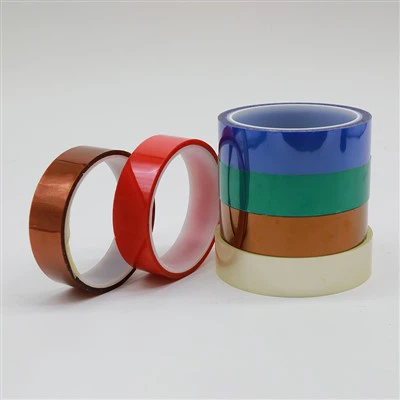
Let's talk about different types of aluminum foil products that we offer as a supplier. Our Lacquered Aluminum Foil Tape is a specialized product. The lacquer coating on this foil provides an extra layer of protection. It can be used in situations where there is a higher risk of reaction with acidic foods. For covering a frittata with acidic fillings, this type of foil can be a great choice as it reduces the chances of a metallic taste developing in the dish.
Our Self - Wound Aluminum Foil Tape is also an interesting option. It comes in a convenient self - wound form, which makes it easy to handle and cut to the right size for covering a frittata. The self - wound design ensures that the foil is neatly rolled and ready to use, saving you time in the kitchen.
In terms of the cooking process, when using aluminum foil to cover a frittata, it's best to place the foil over the frittata once it's in the oven. If you cover it on the stovetop, the foil might get in the way while you're trying to flip or stir the frittata. Once the frittata is in the oven, gently drape the foil over it, leaving a little bit of space at the edges. You can adjust the position of the foil as needed during the cooking process.
If you're looking for a perfect balance between a crispy top and a fully - cooked interior, you can start by covering the frittata with aluminum foil for the first part of the baking time. Then, remove the foil for the last few minutes to allow the top to brown. This technique gives you the best of both worlds.
As a supplier, we understand that our customers have different needs. Whether you're a home cook making a frittata for your family or a professional chef in a busy kitchen, our aluminum foil products are designed to meet your requirements. Our foils are made from high - quality aluminum, ensuring durability and consistent performance.
If you're interested in learning more about our Aluminum Foil products or are looking to place an order for your kitchen, restaurant, or any other food - related business, we'd love to hear from you. Our team is always ready to assist you with any questions you might have about the products, their uses, or the ordering process. We can provide you with detailed information about the different types of foils we offer, including their specifications and benefits.


Contact us to start a discussion about your aluminum foil needs. Whether you need a small quantity for home use or a large - scale supply for a commercial kitchen, we have the products and the expertise to meet your demands. Let's work together to ensure that your cooking experiences are as successful as possible with our high - quality aluminum foil.
References
- "The Science of Cooking Eggs" by Harold McGee. This book provides in - depth knowledge about the chemical and physical changes that occur when cooking eggs, which is relevant to understanding the cooking process of a frittata.
- "Italian Cooking Basics" by Giuliano Hazan. It offers traditional Italian recipes and techniques, including those for making frittatas, and gives insights into the best practices for cooking and presenting this classic dish.