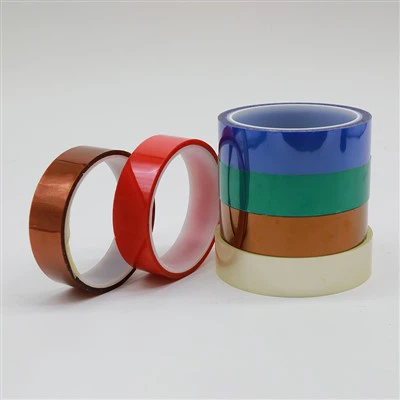
As a supplier of PE tape, I often get asked about the differences between PE tape and vinyl tape. These two types of tapes are widely used in various industries, but they have distinct characteristics that make them suitable for different applications. In this blog post, I'll delve into the key differences between PE tape and vinyl tape to help you make an informed decision when choosing the right tape for your needs.


Composition and Material Properties
PE tape, or polyethylene tape, is made from polyethylene, a thermoplastic polymer known for its excellent chemical resistance, flexibility, and durability. Polyethylene is a lightweight material that can be easily extruded into thin films, making it ideal for tape production. PE tape is available in different densities, including low-density polyethylene (LDPE) and high-density polyethylene (HDPE), each with its own set of properties. LDPE tapes are more flexible and have better adhesion to irregular surfaces, while HDPE tapes are stiffer and offer higher tensile strength.
On the other hand, vinyl tape is made from polyvinyl chloride (PVC), a synthetic plastic polymer. PVC is a versatile material that can be formulated to have different levels of flexibility, hardness, and chemical resistance. Vinyl tape is known for its excellent electrical insulation properties, weather resistance, and flame retardancy. It is also available in a wide range of colors, making it suitable for color-coding and identification purposes.
Adhesive Properties
The adhesive used in PE tape and vinyl tape plays a crucial role in determining their performance. PE tape typically uses a pressure-sensitive adhesive (PSA) that adheres to surfaces when pressure is applied. PSA is a popular choice for PE tape because it offers good adhesion to a variety of surfaces, including plastics, metals, and glass. The adhesive can be formulated to have different levels of tack and peel strength, depending on the application.
Vinyl tape also uses a PSA, but the adhesive formulation may vary depending on the specific requirements of the tape. Some vinyl tapes are designed for high-temperature applications and use a heat-resistant adhesive, while others are formulated for outdoor use and have excellent weather resistance. The adhesive on vinyl tape is generally stronger than that on PE tape, making it more suitable for applications where a secure bond is required.
Physical Properties
In terms of physical properties, PE tape and vinyl tape have some notable differences. PE tape is generally thinner and more flexible than vinyl tape, which makes it easier to apply and conform to irregular surfaces. It also has a lower coefficient of friction, which means it can be easily unwound from the roll. PE tape is available in a variety of thicknesses, ranging from a few microns to several millimeters, depending on the application.
Vinyl tape is thicker and stiffer than PE tape, which gives it better dimensional stability and resistance to tearing. It is also more resistant to abrasion and punctures, making it suitable for applications where the tape may be exposed to rough handling or harsh environments. Vinyl tape is available in a wider range of colors and finishes than PE tape, including glossy, matte, and textured surfaces.
Applications
The differences in composition, adhesive properties, and physical properties of PE tape and vinyl tape make them suitable for different applications. Here are some common applications for each type of tape:
PE Tape Applications
- Packaging: PE tape is widely used in the packaging industry for sealing boxes, cartons, and packages. Its flexibility and conformability make it easy to apply around corners and edges, while its good adhesion ensures a secure seal.
- Agriculture: PE tape is used in agriculture for various applications, such as greenhouse construction, irrigation system repair, and plant support. Its chemical resistance and durability make it suitable for outdoor use in harsh environmental conditions.
- Automotive: PE tape is used in the automotive industry for wire harnessing, interior trim installation, and surface protection. Its flexibility and heat resistance make it a popular choice for automotive applications.
- Medical: PE tape is used in the medical industry for wound dressing, surgical drapes, and medical device assembly. Its hypoallergenic properties and good adhesion make it suitable for use on the skin.
Vinyl Tape Applications
- Electrical: Vinyl tape is widely used in the electrical industry for insulation, bundling, and marking wires and cables. Its excellent electrical insulation properties and flame retardancy make it a safe and reliable choice for electrical applications.
- Construction: Vinyl tape is used in the construction industry for sealing joints, masking surfaces, and protecting against moisture and weathering. Its durability and weather resistance make it suitable for outdoor use in construction projects.
- Automotive: Vinyl tape is used in the automotive industry for bodywork repair, trim installation, and decorative purposes. Its strong adhesion and wide range of colors make it a popular choice for automotive applications.
- Signage: Vinyl tape is used in the signage industry for creating lettering, graphics, and decals. Its ability to conform to curved surfaces and its wide range of colors and finishes make it suitable for creating eye-catching signage.
Cost
Cost is another factor to consider when choosing between PE tape and vinyl tape. Generally, PE tape is less expensive than vinyl tape, especially for large-volume orders. This is because polyethylene is a more widely available and less expensive material than PVC. However, the cost of the tape can also vary depending on the specific requirements of the application, such as the thickness, width, and adhesive properties.
Environmental Considerations
In today's environmentally conscious world, it's important to consider the environmental impact of the products we use. PE tape is generally considered to be more environmentally friendly than vinyl tape because polyethylene is a recyclable material. PE tape can be recycled into new products, reducing the amount of waste sent to landfills.
Vinyl tape, on the other hand, is made from PVC, which is a non-biodegradable material. PVC can release harmful chemicals when burned, which can have a negative impact on the environment. However, some vinyl tapes are now being produced using environmentally friendly formulations that reduce the amount of harmful chemicals released.
Conclusion
In conclusion, PE tape and vinyl tape are two popular types of tapes that have distinct characteristics and are suitable for different applications. PE tape is known for its flexibility, conformability, and affordability, while vinyl tape is known for its strength, durability, and electrical insulation properties. When choosing between PE tape and vinyl tape, it's important to consider the specific requirements of your application, such as the surface to be bonded, the environmental conditions, and the desired level of adhesion.
If you're looking for a high-quality PE tape for your application, I invite you to explore our range of PE Repair Tape and Stretch Film. Our tapes are made from the highest quality materials and are designed to meet the most demanding requirements. Whether you need a tape for packaging, agriculture, automotive, or any other application, we have the solution for you.
If you have any questions or would like to discuss your tape requirements in more detail, please don't hesitate to contact us. We're here to help you find the right tape for your needs and provide you with the best possible service.
References
- "Polyethylene Tape: Properties, Applications, and Advantages" by XYZ Company
- "Vinyl Tape: A Comprehensive Guide" by ABC Corporation
- "Adhesive Tapes: Types, Properties, and Applications" by DEF Industries