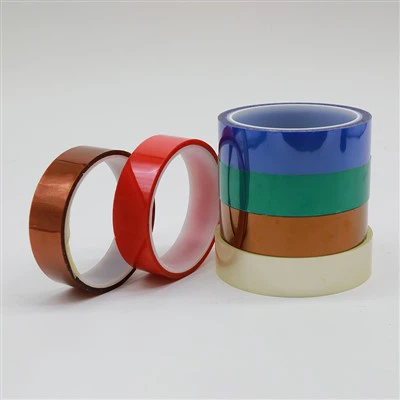
Proper storage of PE tape is crucial to maintain its quality and performance over time. As a PE tape supplier, I understand the importance of guiding our customers on how to store this product correctly. In this blog, I will share some scientific and practical tips on how to store PE tape properly.
Understanding the Characteristics of PE Tape
Before delving into the storage methods, it's essential to understand the basic characteristics of PE tape. PE, or polyethylene, is a widely used polymer known for its flexibility, durability, and resistance to moisture and chemicals. PE tape is made from polyethylene film coated with an adhesive layer, which gives it excellent bonding properties. However, these properties can be affected by various environmental factors such as temperature, humidity, and light.
Temperature Considerations
Temperature is one of the most critical factors when it comes to storing PE tape. Extreme temperatures can cause the tape to lose its adhesive strength, become brittle, or even melt.
- Optimal Temperature Range: The ideal temperature for storing PE tape is between 10°C and 30°C (50°F and 86°F). Within this range, the tape's adhesive remains stable, and the polyethylene film retains its flexibility.
- Avoiding Temperature Fluctuations: Sudden changes in temperature can also damage the tape. For example, if the tape is stored in a cold environment and then quickly moved to a warm one, condensation can form on the tape, which may affect its adhesive properties. It's best to store the tape in a place where the temperature remains relatively constant.
- Protecting from High Temperatures: High temperatures can cause the adhesive to soften and lose its bonding strength. Avoid storing the tape near heat sources such as radiators, ovens, or direct sunlight. If the tape is exposed to high temperatures for an extended period, it may become sticky and difficult to unwind.
Humidity Management
Humidity can also have a significant impact on the quality of PE tape. Excessive moisture can cause the tape to absorb water, which may lead to mold growth, corrosion of the adhesive, and reduced adhesion.
- Ideal Humidity Level: The recommended humidity level for storing PE tape is between 40% and 60%. This range helps to prevent moisture from affecting the tape's performance.
- Using Dehumidifiers: In areas with high humidity, it's advisable to use dehumidifiers to control the moisture content in the storage environment. Dehumidifiers can help to maintain a stable humidity level and protect the tape from damage.
- Avoiding Damp Areas: Do not store the tape in basements, bathrooms, or other areas prone to dampness. These areas are more likely to have high humidity levels, which can compromise the quality of the tape.
Light Exposure
Exposure to light, especially ultraviolet (UV) light, can cause the PE tape to degrade over time. UV light can break down the polyethylene molecules in the tape, making it brittle and less flexible.
- Storing in a Dark Place: To protect the tape from light damage, store it in a dark place such as a closet, cabinet, or storage room. If possible, use opaque containers or covers to shield the tape from direct sunlight.
- Avoiding Fluorescent Lights: Fluorescent lights also emit a small amount of UV light, which can gradually damage the tape. If you need to store the tape in a well-lit area, choose incandescent lights instead.
Storage Orientation
The way you store the PE tape can also affect its quality. Here are some tips on the proper storage orientation:
- Vertical Storage: Storing the tape vertically is generally recommended. This helps to prevent the tape from sagging or warping, which can affect its adhesion. When storing the tape vertically, make sure the reels are placed on a flat surface to prevent them from tipping over.
- Avoiding Compression: Do not stack heavy objects on top of the tape reels. Compression can cause the tape to deform, which may lead to uneven adhesion and difficulty in unwinding.
Packaging and Handling
Proper packaging and handling are essential to ensure the tape remains in good condition during storage and transportation.
- Original Packaging: Keep the tape in its original packaging as much as possible. The original packaging is designed to protect the tape from damage and provide some degree of insulation against environmental factors.
- Sealing the Ends: If the tape has been opened, make sure to seal the ends properly to prevent dust, dirt, and moisture from getting inside. You can use tape or plastic caps to seal the ends of the reels.
- Handling with Care: When handling the tape, be gentle to avoid damaging the adhesive or the tape itself. Do not pull the tape too hard or use sharp objects to cut it, as this can cause the tape to tear or lose its adhesion.
Specific Storage Tips for Different Types of PE Tape
There are different types of PE tape available, each with its own specific storage requirements. Here are some tips for storing Stretch Film and PE Repair Tape:
- Stretch Film: Stretch film is designed to be stretched and wrapped around objects. To maintain its stretchability, store it in a cool, dry place away from heat and light. Avoid storing the stretch film in a compressed state for an extended period, as this can reduce its elasticity.
- PE Repair Tape: PE repair tape is used for repairing and patching various materials. It's important to store this tape in a clean and dry environment to prevent contamination of the adhesive. Make sure the tape is stored in a way that allows easy access and unwinding.
Conclusion
Proper storage of PE tape is essential to ensure its quality and performance. By following the tips outlined in this blog, you can protect your PE tape from damage caused by temperature, humidity, light, and other environmental factors. Remember to store the tape in a cool, dry, and dark place, and handle it with care. If you have any further questions or need more information on PE tape storage, please feel free to contact us. We are always here to help you make the most of our products.
If you are interested in purchasing high-quality PE tape, we invite you to contact us for a detailed discussion. Our team of experts will be happy to assist you in finding the right tape for your specific needs and provide you with competitive pricing and excellent customer service.

References
- "Polyethylene Tapes: Properties and Applications" - Journal of Adhesive Science and Technology
- "Storage Guidelines for Adhesive Tapes" - International Tape Manufacturers Association