BOPP (Biaxially Oriented Polypropylene) tape is a widely used packaging material known for its versatility, strength, and cost - effectiveness. However, one common issue that users often encounter is tape curling. As a BOPP tape supplier, I understand the frustration this problem can cause and am here to share some effective strategies to prevent BOPP tape from curling.
Understanding the Causes of BOPP Tape Curling
Before we delve into the prevention methods, it's essential to understand why BOPP tape curls in the first place. Several factors can contribute to this issue:
- Moisture Absorption: BOPP tape can absorb moisture from the environment. When the tape absorbs moisture, it causes the tape to expand unevenly, leading to curling. High - humidity environments are particularly prone to this problem.
- Temperature Changes: Extreme temperature variations can also affect the physical properties of BOPP tape. For example, if the tape is stored in a cold environment and then suddenly exposed to a warm one, it can cause the tape to contract and expand rapidly, resulting in curling.
- Poor Storage Conditions: Storing BOPP tape in improper conditions, such as in direct sunlight or in a place with high humidity, can degrade the tape's quality over time and lead to curling.
- Incorrect Application: Applying the tape at an angle or with uneven pressure can cause the tape to curl. Additionally, if the surface where the tape is applied is not clean or smooth, it can also affect the tape's adhesion and cause curling.
Prevention Strategies
1. Control the Storage Environment
- Humidity: Keep the storage area's humidity level between 40% - 60%. You can use a dehumidifier in areas with high humidity to maintain the ideal environment. This helps prevent the tape from absorbing excessive moisture, which can lead to curling.
- Temperature: Store BOPP tape at a consistent temperature, ideally between 20°C - 25°C (68°F - 77°F). Avoid storing the tape in areas where there are significant temperature fluctuations, such as near heaters or air - conditioning units.
- Protection from Light: Store the tape in a dark or low - light environment. Direct sunlight can break down the adhesive and the tape's polymer structure, causing it to curl. Use opaque storage containers or keep the tape in a closet.
2. Proper Tape Handling
- Unwinding: When unwinding the BOPP tape, do it slowly and evenly. Avoid pulling the tape too quickly, as this can cause stress on the tape and lead to curling. Use a tape dispenser that is designed to unwind the tape smoothly.
- Cutting: Use sharp scissors or a tape cutter to cut the tape. Dull blades can cause the tape to tear unevenly, which may result in curling. Make sure to cut the tape straight across to ensure a clean edge.
3. Surface Preparation
- Cleanliness: Before applying the BOPP tape, ensure that the surface is clean and free of dust, dirt, grease, and moisture. You can use a clean cloth and a mild cleaning solution to wipe the surface. This helps the tape adhere properly and reduces the risk of curling.
- Smoothness: The surface should be smooth. Rough or uneven surfaces can cause the tape to lift at the edges, leading to curling. If necessary, sand or smooth the surface before applying the tape.
4. Correct Application Techniques
- Angle of Application: Apply the tape at a 90 - degree angle to the surface. This ensures that the tape adheres evenly and reduces the likelihood of curling.
- Pressure: Apply even pressure along the entire length of the tape. You can use a roller or your hand to press the tape firmly onto the surface. Make sure to start from the center of the tape and work your way out to the edges to eliminate air bubbles.
5. Choose the Right Tape
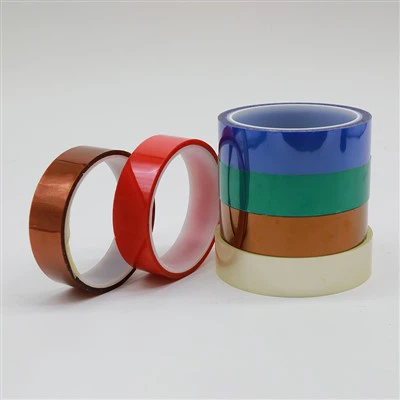
- Quality: Select high - quality BOPP tape from a reputable supplier. High - quality tapes are less likely to curl because they are made with better materials and manufacturing processes. Our company offers a variety of high - quality BOPP tapes, such as Low Noise BOPP Tape, Colored BOPP Tape, and BOPP Tape with Solvent Acrylic Adhesive, which are designed to resist curling and provide excellent adhesion.
- Thickness: Consider the thickness of the tape based on your application. Thicker tapes are generally more rigid and less likely to curl. However, make sure the thickness is appropriate for your specific needs.
Additional Tips
- Inspect the Tape Regularly: Check the stored tape regularly for any signs of curling or degradation. If you notice any issues, use the tape immediately or take steps to correct the storage conditions.
- Test the Tape: Before using a large quantity of tape for a project, test it on a small area. This allows you to identify any potential curling issues and make adjustments to your application method if necessary.
Conclusion
Preventing BOPP tape from curling requires a combination of proper storage, handling, surface preparation, and application techniques. By following the strategies outlined above, you can ensure that your BOPP tape performs optimally and provides a reliable sealing solution.
As a BOPP tape supplier, we are committed to providing high - quality products and expert advice to our customers. If you have any questions about preventing tape curling or need assistance in choosing the right BOPP tape for your needs, please feel free to contact us. We look forward to discussing your requirements and helping you find the best tape solutions for your business.


References
- "Adhesive Tape Technology Handbook" by Pocius, A. V.
- Industry research reports on BOPP tape manufacturing and usage.