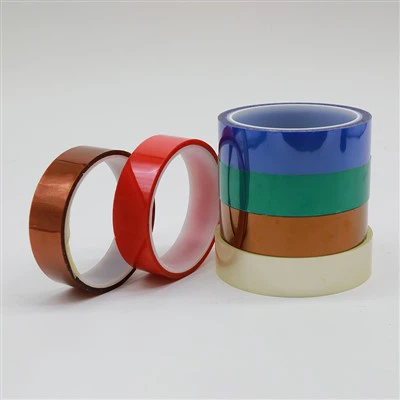
Hey there! As a PVC tape supplier, I've seen firsthand how useful PVC tape can be in a wide range of applications. Whether you're using Wire Harness Tape for electrical wiring, PVC Protective Tape to safeguard surfaces, or PVC Insulation Tape for insulation purposes, it's an incredibly versatile product. But one question I often get asked is, "How do you remove PVC tape without damaging the surface?" Well, I'm here to share some tips and tricks that I've picked up over the years.
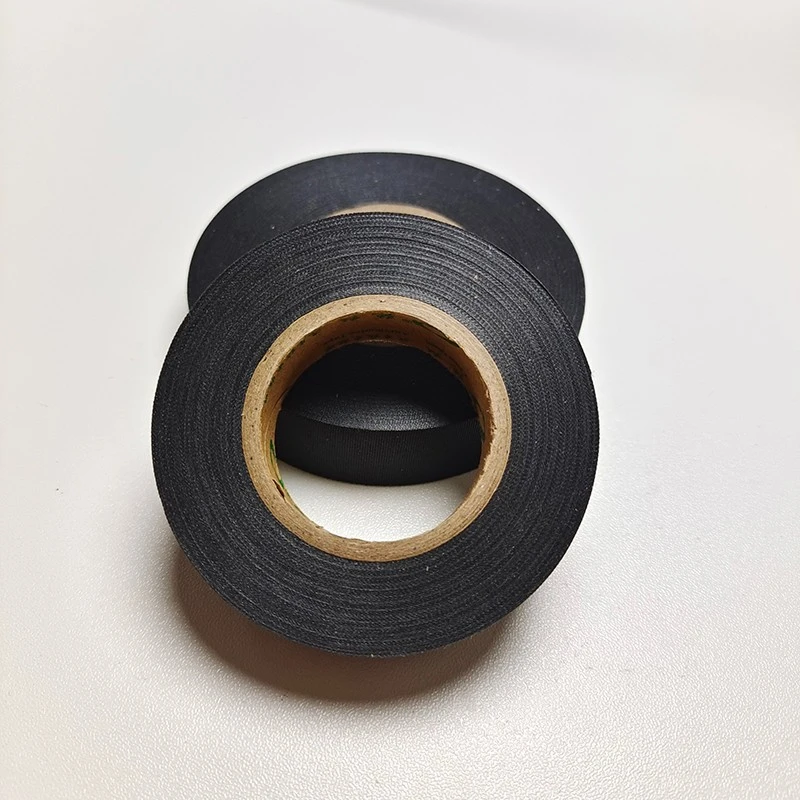

Understanding the Problem
Before we dive into the removal methods, it's important to understand why removing PVC tape can sometimes be a challenge. PVC tape is designed to stick firmly to surfaces, which is great when you're using it for its intended purpose. However, this strong adhesion can also make it difficult to remove without leaving behind residue or damaging the surface beneath.
The type of surface you're working with also plays a big role. Delicate surfaces like painted walls, polished wood, or electronics are more prone to damage during tape removal. On the other hand, tougher surfaces like metal or concrete can usually withstand more aggressive removal methods.
Preparing for Tape Removal
The first step in removing PVC tape without damaging the surface is to prepare the area. Start by gathering the necessary tools and materials. You'll typically need a few basic items such as a plastic scraper, a soft cloth, and a cleaning solution.
If the tape has been on the surface for a long time, it might have become brittle or hardened. In this case, you can try using a hair dryer to gently heat the tape. The heat will soften the adhesive, making it easier to remove. Hold the hair dryer about 6-8 inches away from the tape and move it back and forth for a few minutes until the tape starts to feel warm and pliable.
Gentle Removal Methods
For delicate surfaces, it's best to start with the gentlest removal methods possible. Here are a few techniques you can try:
- Peeling Slowly: If the tape is relatively new and hasn't been exposed to extreme conditions, you might be able to simply peel it off slowly. Start at one corner of the tape and pull it back at a low angle, parallel to the surface. Pull slowly and steadily to avoid tearing the tape and leaving behind pieces of adhesive.
- Using a Plastic Scraper: A plastic scraper is a great tool for removing tape without scratching the surface. After softening the tape with heat, carefully slide the edge of the scraper under the tape and lift it gently. Work your way along the tape, using the scraper to separate it from the surface.
- Warm Soapy Water: For surfaces that can withstand moisture, you can try using warm soapy water to loosen the adhesive. Dip a soft cloth in the soapy water and wring it out so it's damp but not dripping. Place the cloth over the tape and let it sit for a few minutes to allow the moisture to penetrate the adhesive. Then, try peeling the tape off or using the plastic scraper to remove it.
Dealing with Residue
Even if you're able to remove the tape without damaging the surface, there might still be some adhesive residue left behind. Here are some ways to get rid of it:
- Rubbing Alcohol: Rubbing alcohol is a great solvent for removing adhesive residue. Dampen a soft cloth with rubbing alcohol and gently rub the residue in a circular motion. The alcohol will dissolve the adhesive, making it easy to wipe away.
- Vinegar: Vinegar is another natural solvent that can be used to remove adhesive residue. Mix equal parts vinegar and water in a spray bottle and spray the solution onto the residue. Let it sit for a few minutes, then wipe it away with a clean cloth.
- Commercial Adhesive Removers: If the residue is particularly stubborn, you can try using a commercial adhesive remover. Make sure to choose a product that is safe for the surface you're working with and follow the instructions carefully.
Aggressive Removal Methods
If the gentle methods don't work, you might need to use more aggressive removal techniques. However, these methods should only be used on tough surfaces and with extreme caution to avoid causing damage.
- Heat Gun: A heat gun can provide more intense heat than a hair dryer, which can be useful for removing old or stubborn tape. Hold the heat gun about 3-4 inches away from the tape and move it back and forth until the tape starts to bubble and peel away from the surface. Be careful not to overheat the surface, as this can cause damage.
- Chemical Strippers: Chemical strippers are powerful solvents that can dissolve even the toughest adhesives. However, they can also be very harsh and should only be used in well-ventilated areas. Before using a chemical stripper, test it on a small, inconspicuous area of the surface to make sure it doesn't cause any damage.
Preventing Damage in the Future
Once you've successfully removed the PVC tape and cleaned up any residue, you might want to take some steps to prevent similar issues in the future. Here are a few tips:
- Choose the Right Tape: Make sure you're using the appropriate type of PVC tape for the surface and application. Some tapes are specifically designed for delicate surfaces and have a weaker adhesive that is easier to remove.
- Test the Tape: Before applying the tape to a large area, test it on a small, inconspicuous area of the surface to make sure it doesn't cause any damage or leave behind residue.
- Remove the Tape Promptly: The longer the tape stays on the surface, the more difficult it will be to remove. Try to remove the tape as soon as it's no longer needed.
Conclusion
Removing PVC tape without damaging the surface can be a tricky task, but with the right techniques and a little patience, it's definitely achievable. By understanding the type of surface you're working with, preparing properly, and using the appropriate removal methods, you can ensure that your surfaces stay in good condition.
If you're in the market for high-quality PVC tape, we've got you covered. Our Wire Harness Tape, PVC Protective Tape, and PVC Insulation Tape are designed to provide strong adhesion while still being relatively easy to remove when needed.
If you have any questions about our products or need more advice on tape removal, feel free to reach out. We're always happy to help with your PVC tape needs and discuss potential procurement opportunities.
References
- "The Complete Guide to Tape Removal." DIY Home Improvement Magazine.
- "Best Practices for Removing Adhesive Residue." Industrial Cleaning Journal.