Can Mopp Tape Be Used for Insulating Glass?
As a supplier of Mopp tape, I am often asked about the various applications of our product. One question that has come up frequently is whether Mopp tape can be used for insulating glass. In this blog post, I will explore this topic in detail, looking at the properties of Mopp tape, the requirements for insulating glass applications, and the potential benefits and limitations of using Mopp tape in this context.
Understanding Mopp Tape
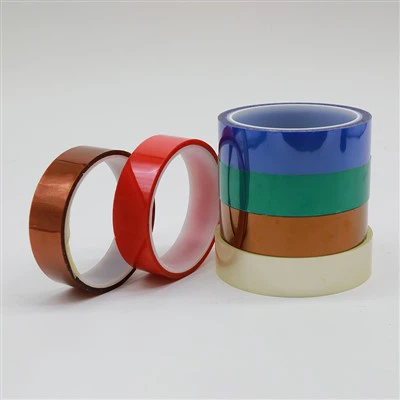
Mopp tape, also known as Metalized Oriented Polypropylene tape, is a type of adhesive tape that consists of a polypropylene film coated with a thin layer of metal, usually aluminum. This metalized layer gives the tape several unique properties, including high reflectivity, good moisture resistance, and excellent electrical conductivity. The polypropylene film provides strength and flexibility, making the tape suitable for a wide range of applications.
The Mopp Strapping Tape we offer is known for its high-quality construction and reliable performance. It is available in various widths and thicknesses to meet different customer needs. The adhesive used on the tape is designed to provide strong bonding on a variety of surfaces, ensuring that the tape stays in place even under challenging conditions.


Requirements for Insulating Glass
Insulating glass, also known as double - glazed or triple - glazed glass, is designed to reduce heat transfer between the interior and exterior of a building. It consists of two or more glass panes separated by a spacer filled with a gas, such as argon or krypton. The key requirements for materials used in insulating glass applications include:
- Sealing Performance: The material must be able to create an airtight and watertight seal around the edges of the glass panes to prevent the entry of moisture and air. This is crucial for maintaining the insulating properties of the glass and preventing the formation of condensation between the panes.
- Thermal Insulation: It should have low thermal conductivity to minimize heat transfer through the edges of the glass unit.
- Durability: The material needs to withstand environmental factors such as temperature changes, UV radiation, and humidity over a long period without losing its sealing and insulating properties.
- Compatibility: It must be compatible with the glass, the spacer material, and the gas used in the insulating glass unit to avoid chemical reactions that could damage the unit.
Potential Benefits of Using Mopp Tape for Insulating Glass
- Moisture Resistance: The metalized layer on Mopp tape provides excellent moisture resistance, which is essential for preventing the entry of water vapor into the insulating glass unit. This helps to maintain the clarity of the glass and prevent the growth of mold and mildew between the panes.
- Reflectivity: The high reflectivity of the metalized surface can help to reduce heat transfer by reflecting infrared radiation. This can contribute to the overall thermal insulation performance of the insulating glass unit.
- Flexibility: Mopp tape is flexible and can be easily applied to the irregular shapes and edges of the glass panes. This makes it suitable for use in custom - sized insulating glass units.
- Adhesive Strength: The strong adhesive on the tape ensures a reliable bond to the glass and the spacer material, providing a long - lasting seal.
Limitations of Using Mopp Tape for Insulating Glass
- Thermal Conductivity: While the reflectivity of Mopp tape can help with heat reflection, the polypropylene film and the metalized layer may have relatively higher thermal conductivity compared to some specialized insulating materials used in the industry. This could potentially reduce the overall thermal insulation performance of the insulating glass unit if not used in combination with other insulating materials.
- UV Resistance: Although Mopp tape has some resistance to UV radiation, prolonged exposure to sunlight may cause the tape to degrade over time. This could lead to a loss of adhesive strength and sealing performance.
- Compatibility: Ensuring compatibility with all the components of the insulating glass unit, especially the gas used, requires thorough testing. Incompatibility could lead to chemical reactions that may damage the glass or the spacer material.
Case Studies and Testing
To determine the suitability of Mopp tape for insulating glass applications, several case studies and tests have been conducted. In some laboratory tests, Mopp tape was applied to the edges of insulating glass units and subjected to temperature cycling, humidity testing, and pressure differentials. The results showed that the tape was able to maintain a good seal under normal conditions, but there were some concerns about its long - term performance under extreme environmental conditions.
In real - world applications, some small - scale projects have used Mopp tape as an alternative sealing material for insulating glass. The feedback from these projects has been mixed. While some users reported satisfactory results in terms of moisture prevention and initial sealing, others noted issues with the tape's durability over time.
Recommendations for Using Mopp Tape in Insulating Glass
If you are considering using Mopp tape for insulating glass applications, here are some recommendations:
- Conduct Compatibility Tests: Before using Mopp tape on a large - scale project, perform compatibility tests with the glass, spacer material, and gas used in the insulating glass unit. This will help to ensure that there are no adverse chemical reactions.
- Use in Combination with Other Insulating Materials: To improve the thermal insulation performance, consider using Mopp tape in combination with other low - thermal - conductivity materials, such as foam spacers or insulating gaskets.
- Protect from UV Exposure: If the insulating glass unit will be exposed to direct sunlight, take measures to protect the Mopp tape from UV radiation. This could include using a UV - resistant coating or installing the glass in a shaded area.
- Follow Installation Guidelines: Ensure that the tape is applied correctly according to the manufacturer's instructions. This includes cleaning the surfaces before application and applying the tape with the right amount of pressure to achieve a strong bond.
Conclusion
In conclusion, Mopp tape has the potential to be used for insulating glass applications, thanks to its moisture resistance, reflectivity, flexibility, and adhesive strength. However, it also has some limitations, particularly in terms of thermal conductivity and long - term durability under extreme conditions. By conducting thorough testing, using it in combination with other insulating materials, and following proper installation procedures, Mopp tape can be a viable option for certain insulating glass projects.
If you are interested in exploring the use of Mopp tape for your insulating glass needs, I encourage you to contact us for more information. Our team of experts can provide you with detailed product specifications, offer technical support, and assist you in determining the best solution for your specific project. We are committed to providing high - quality Mopp tape products and excellent customer service to meet your requirements.
References
- ASTM International. Standard test methods for evaluating the performance of insulating glass units.
- Glass and Glazing Association. Technical guidelines for insulating glass manufacturing.
- Industry research reports on advanced sealing materials for insulating glass.