As a masking tape supplier, I often get asked whether masking tape can be used on metal. It's a common question, and the answer is both yes and no, depending on several factors. In this blog post, I'll delve into the details of using masking tape on metal, exploring the types of masking tape suitable for metal surfaces, the factors to consider, and the best practices to ensure a successful application.
Types of Masking Tape Suitable for Metal
There are several types of masking tape available in the market, each designed for specific applications. When it comes to using masking tape on metal, the following types are commonly recommended:
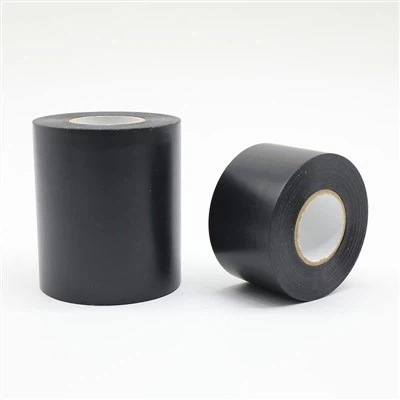
- Automotive Masking Tape: This type of tape is specifically designed for automotive painting and refinishing applications. It has a strong adhesive that can adhere well to metal surfaces, even in high-temperature environments. The Automotive Masking Tape is also resistant to solvents and chemicals, making it ideal for protecting metal parts during painting and other automotive processes.
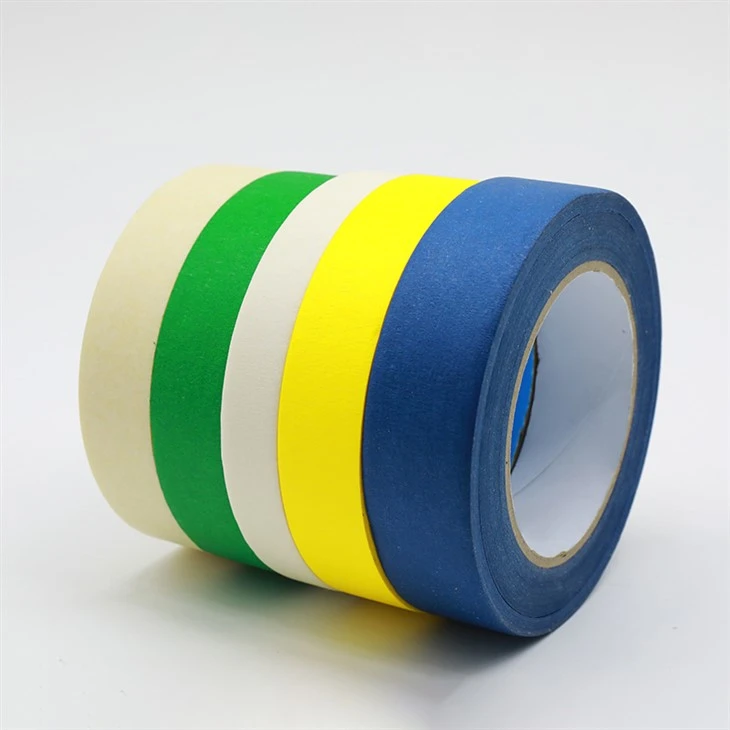
- Colored Masking Tape: Colored masking tape is often used for marking and identification purposes. It comes in a variety of colors, which can be useful for distinguishing different areas or parts on a metal surface. The Colored Masking Tape has a medium-strength adhesive that can adhere to metal surfaces without leaving a residue when removed.
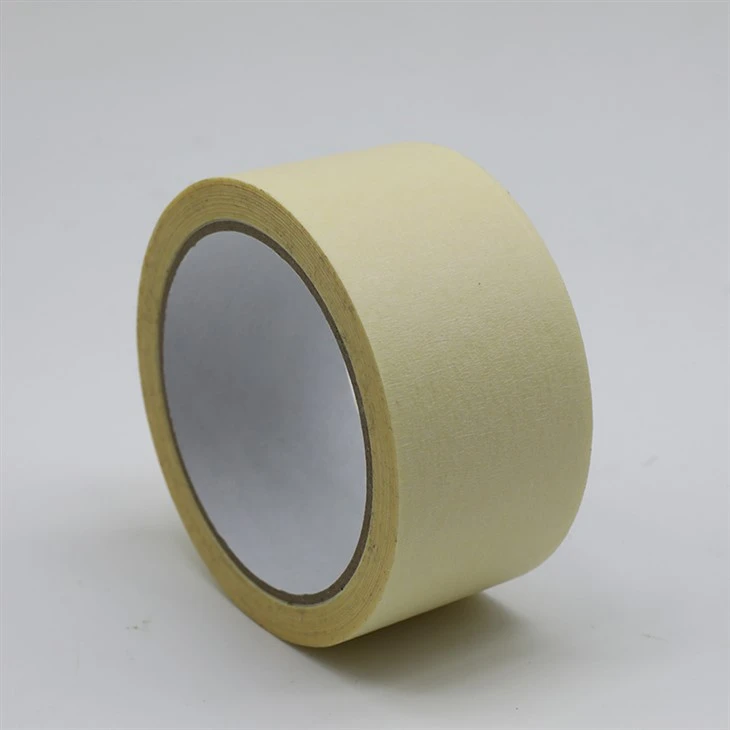
- General Purpose Masking Tape: As the name suggests, general purpose masking tape is a versatile tape that can be used for a wide range of applications, including on metal surfaces. It has a light to medium-strength adhesive that is suitable for temporary masking and protection. The General Purpose Masking Tape is easy to tear and remove, making it a popular choice for DIY projects and general masking needs.
Factors to Consider When Using Masking Tape on Metal
Before using masking tape on metal, there are several factors that you need to consider to ensure a successful application:
- Surface Condition: The condition of the metal surface plays a crucial role in the adhesion of the masking tape. A clean, dry, and smooth surface will provide better adhesion compared to a dirty, oily, or rough surface. Before applying the tape, make sure to clean the metal surface thoroughly with a suitable cleaner to remove any dirt, grease, or debris.
- Temperature and Humidity: Temperature and humidity can affect the adhesion of the masking tape. Most masking tapes have a recommended temperature range for application and use. Make sure to check the manufacturer's instructions to ensure that the temperature and humidity conditions are within the recommended range. In general, it's best to apply the tape at room temperature and avoid applying it in extreme heat or cold.
- Adhesive Strength: The adhesive strength of the masking tape is another important factor to consider. Different types of masking tape have different adhesive strengths, which are suitable for different applications. For example, if you need to mask a metal surface for a long period of time or in a high-temperature environment, you may need to use a tape with a stronger adhesive. On the other hand, if you only need to mask the surface temporarily, a tape with a lighter adhesive may be sufficient.
- Removal Time: The removal time of the masking tape is also an important consideration. If the tape is left on the metal surface for too long, it may become difficult to remove and may leave a residue. Make sure to remove the tape within the recommended time frame to avoid any problems. In general, it's best to remove the tape while the paint or coating is still wet or within a few days after it has dried.
Best Practices for Using Masking Tape on Metal
To ensure a successful application of masking tape on metal, here are some best practices that you can follow:
- Prepare the Surface: As mentioned earlier, the surface of the metal needs to be clean, dry, and smooth before applying the tape. Use a suitable cleaner to remove any dirt, grease, or debris from the surface. You can also use a fine-grit sandpaper to lightly sand the surface to improve the adhesion of the tape.
- Apply the Tape Properly: When applying the tape, make sure to press it firmly against the metal surface to ensure good adhesion. Start at one end of the area to be masked and slowly apply the tape, smoothing it out as you go to remove any air bubbles. Use a straight edge or a ruler to ensure that the tape is applied straight and evenly.
- Seal the Edges: To prevent paint or other substances from seeping under the tape, it's important to seal the edges of the tape. You can use a small amount of paint or a sealant to seal the edges of the tape. Make sure to apply the sealant carefully to avoid getting it on the area that you want to protect.
- Remove the Tape Carefully: When it's time to remove the tape, make sure to do it carefully to avoid damaging the paint or the metal surface. Start at one end of the tape and slowly peel it back at a 45-degree angle. If the tape is difficult to remove, you can use a heat gun or a hair dryer to warm up the tape slightly to make it easier to peel off.
Conclusion
In conclusion, masking tape can be used on metal, but it's important to choose the right type of tape and follow the best practices to ensure a successful application. By considering the surface condition, temperature and humidity, adhesive strength, and removal time, you can choose the most suitable masking tape for your needs. Whether you're a professional painter or a DIY enthusiast, using masking tape on metal can help you achieve a clean and precise finish.
If you're interested in purchasing masking tape for your metal masking needs, please feel free to contact us for more information and to discuss your specific requirements. We're here to help you find the right masking tape solution for your project.
References
- Manufacturer's instructions for masking tape products
- Industry standards and best practices for masking tape application